
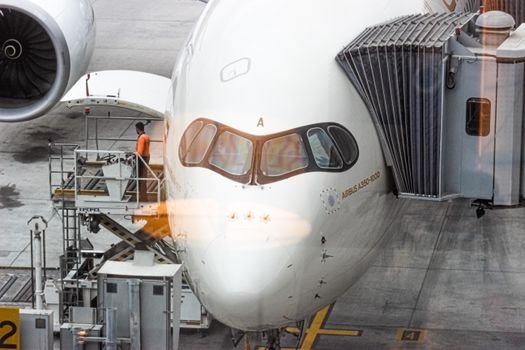
Emirates Airlines has announced an expansion of its operations in Colombo, doubling its A350 services with the introduction of a second daily flight that features a Premium Economy class. This move signifies not only a strategic investment in one of South Asia’s emerging markets but also a calculated response to the evolving preferences of air travelers.

This decision to enhance capacity reflects a growing demand for more flexible travel options, particularly among premium travelers who seek both comfort and value. The introduction of a Premium Economy class is a pragmatic step that caters to an increasingly discerning customer base willing to pay for extra amenities without stepping up to the full luxury of Business Class. The specifics of this new offering are crucial; it indicates Emirates’ recognition of shifting market dynamics where affordability meets enhanced experience.
Colombo, as a city and travel destination, has shown resilience and growth in recent years. The added flight frequency is a testament to the city’s emerging status as a vital hub for both business and tourism. By opting for an A350—a modern, fuel-efficient aircraft—Emirates not only improves its operational efficiency but also minimizes its environmental impact, aligning with global trends toward more sustainable aviation practices. However, one must question whether this commitment to sustainability is matched by an adequate investment in ground services, airport infrastructure, and local partnerships, which are equally essential for maintaining a competitive edge.
The move to double the operation of A350 flights also raises questions about market saturation and competition. As more airlines are drawn to capitalize on the increasing footfall in Colombo, Emirates must ensure that its expanded offering does not lead to price wars that could ultimately undermine the profitability of its services. If the airline becomes too focused on capacity instead of differentiation, it risks losing the high-value travelers it aims to attract with the Premium Economy segment.
Furthermore, the implications of this expansion extend beyond just operational metrics. It highlights the potential shifts in the economic landscape of the region. With more international travelers arriving in Colombo, local businesses stand to benefit significantly. However, service quality at the destination must keep pace with expectations set by a premium airline like Emirates. There exists a critical opportunity for destination management strategies to enhance tourists’ experiences, translating air traffic increases into tangible local economic benefits.
In conclusion, Emirates’ doubling of its A350 operations in Colombo with a new Premium Economy option represents both a strategic opportunity and a challenge. The airline must navigate the evolving demands of savvy travelers while ensuring that its aspirations are supported by robust infrastructure and excellent service standards. As it positions itself to capture the high-demand market, Emirates will need to keep a keen eye on both competition and the imperative of sustainable growth within the burgeoning travel landscape of Colombo.