
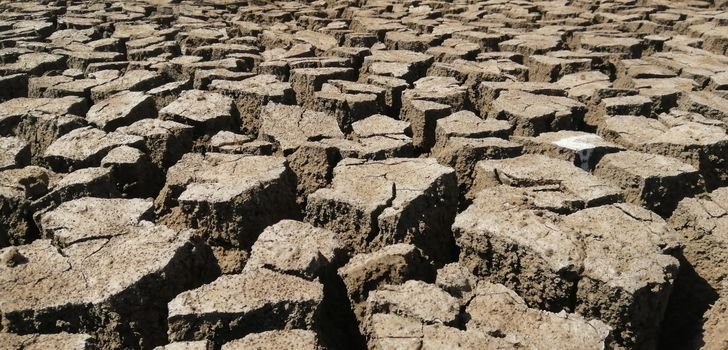
El Niño Poses New Threats to Sri Lanka’s Export Sector
Sri Lanka’s export industry is bracing for potential turbulence as the El Niño phenomenon threatens to impose significant challenges on agriculture-linked exports. Mangala Wijesinghe, Chairman and CEO of the Export Development Board (EDB), has sounded the alarm, emphasizing that dry weather conditions could adversely affect the nation’s crucial agricultural exports, particularly tea, fruits, and vegetables.

Impact on Key Agricultural Exports
In a recent press briefing, Wijesinghe highlighted the precarious situation facing the tea sector, which is already grappling with a downturn in sales amid geopolitical tensions in the Middle East. Approximately 35% of Sri Lanka’s tea exports reach this region, making the sector especially susceptible to disruptions in shipping and market accessibility.
Statistics paint a concerning picture: during the first seven months of 2026, earnings from tea exports dipped by 7.53% year-on-year, amounting to $817.53 million. The decline affected different tea categories, with bulk tea exports down by 9.89% while tea packet exports decreased by 7.01%. Similarly, vegetable exports plummeted by 14.66% to $17.64 million, and fruit and nut exports fell by 12.28% to $23.78 million over the same period.
Proactive Measures and Diversification Strategies
Wijesinghe further underscored the urgency of diversifying Sri Lanka’s export basket as a strategic response to mitigate the risks associated with external factors like El Niño. The National Export Development Plan (NEDP), launched in June 2026, aims for an ambitious annual export growth of 8% to 10%. This plan involves over 35 government institutions working collaboratively to enhance performance across eight prioritized sectors.
- Auto components
- Minerals-based industries
- Rubber-based industries
- Marine-based industries, including shipbuilding
- Spices and concentrates
- Digital products and services
- Electrical and electronic components
- Processed food and beverages
The EDB’s proactive approach aims not just to defend against present risks but also to position Sri Lanka for robust export performance in a competitive global market.
Conclusion: Navigating Uncertain Waters
As the El Niño weather pattern looms, Sri Lanka’s export sector stands at a crossroads. While the immediate effects on agriculture-linked exports are concerning, the government-led strategies for diversification and growth may provide a silver lining. How well Sri Lanka navigates these turbulent waters remains to be seen, but preparation and adaptability will undoubtedly play crucial roles in the nation’s export resilience.