
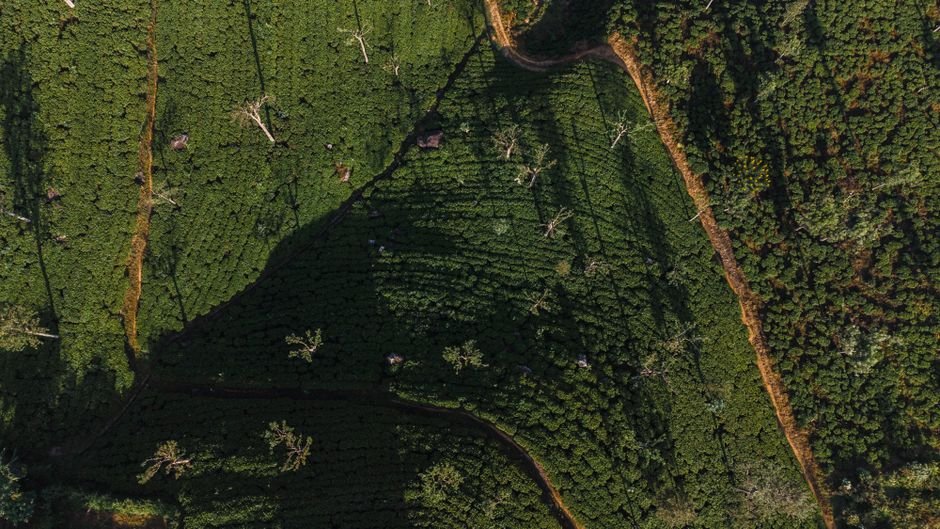
While Sri Lanka is globally famed for its lush central highlands and world-class Ceylon tea, a lesser-known chapter of the island’s rich heritage intertwines the Jewish diaspora with its agricultural boom and complex wartime history. From early pioneer planters who helped lay the groundwork for Ceylon’s tea empire to individuals navigating decades of civil unrest, the story of the Jewish footprint in Sri Lanka offers a compelling perspective on cultural intersection and economic history.

Key Highlights
- Pioneering Agriculture: Jewish entrepreneurs, including the Rothschild-affiliated de Worms brothers, were instrumental in early commercial farming in 19th-century Ceylon.
- Navigating Conflict: The small Jewish community and visiting expatriates witnessed firsthand the social and economic disruptions caused by Sri Lanka’s civil war.
- Enduring Legacy: Despite a modest population, the historical footprint in trade, diplomacy, and enterprise remains a distinct chapter in the island’s past.
The origins of Jewish involvement in Sri Lankan agriculture trace back to the British colonial era. In the 1840s, brothers Maurice and Gabriel de Worms established extensive plantations in the island’s central hills. Their large-scale operations and advanced agricultural practices helped build the infrastructure that eventually transformed Ceylon into a global tea powerhouse.
In subsequent decades, particularly throughout the late 20th century, Sri Lanka’s internal conflicts reshaped daily life across the island. The modest Jewish presence—comprising businessmen, travelers, and diplomats—had to navigate the complexities of living through war while maintaining cultural and religious identity in a predominantly Buddhist and Hindu nation.
Today, historians and cultural researchers continue to uncover these subtle historical ties, reflecting on how international diaspora communities played unexpected roles in shaping Sri Lanka’s economic and historical landscape.