
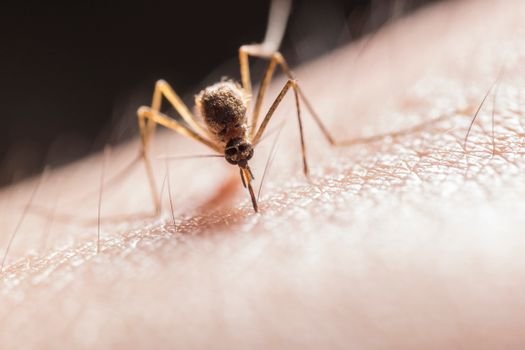
The ongoing battle against dengue fever in Sri Lanka has entered a new chapter, especially as of July 2, 2026. Reports indicate a concerning escalation in cases, prompting urgent attention from health authorities and the public alike. The National Dengue Control Unit’s data illustrates this precarious situation, where proactive measures are urgently required.

Dengue fever remains a persistent threat, with the government scrambling to contain its spread amid rising temperatures and changing weather patterns. The latest figures highlight an alarming reality: there is an unprecedented rise in reported cases, directly correlating with the monsoon season that traditionally exacerbates the situation. As various districts face high transmission rates, it raises questions about the effectiveness of current control measures and proactive strategies.
The figures from the National Dengue Control Unit serve as a stark reminder of the public health crisis at hand. The increasing number of cases, intricately tied to vector control efforts, points toward gaps in existing strategies. What remains to be seen is whether the health ministry will adapt its approach based on the lessons learned from previous outbreaks and become more responsive to the evolving dynamics of this mosquito-borne disease.
Public awareness plays a crucial role in combating dengue, and the government must leverage its resources to educate communities about preventive measures. The intricate link between environmental management and dengue surveillance indicates that control efforts must extend beyond immediate medical interventions. Community engagement in clearing stagnant water and enhancing awareness about mosquito control is imperative for long-lasting outcomes.
As monitoring continues, the health sector must prioritize a cohesive response, integrating insights from previous outbreaks while also investing in innovative and sustainable control measures. With these current statistics serving not just as numbers, but as a call to action, the health authorities in Sri Lanka must be held accountable for their responses. Only through a robust and multifaceted approach will the national response evolve to meet the urgent demands of this pressing public health crisis.