
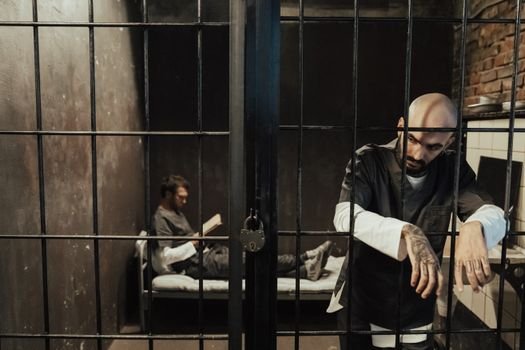
A violent clash within a Sri Lankan prison has resulted in the tragic deaths of two individuals, with several others injured. This incident raises critical questions about prison management and the broader systemic issues facing the country’s correctional facilities.

The immediate loss of life casts a stark shadow over state responsibility in managing inmate safety. The deaths occurred during a confrontation that also saw multiple injuries, indicating not only a failure of security protocols but also a broader lack of resources in handling potential conflicts. A prison is not merely a holding place but a complex environment that requires careful oversight, proper training for staff, and a framework for conflict resolution. When violence erupts, it underscores the shortcomings in these areas and calls into question the adequacy of Sri Lanka’s prison infrastructure.
This clash may also reflect the larger social and economic issues plaguing Sri Lanka. The country has faced significant turmoil, exacerbated by an economic downturn and subsequent political instability. Such environments can create breeding grounds for unrest, particularly within already strained institutions like prisons. Inmates, often housed under deplorable conditions, may feel increasingly marginalized and desperate, sparking conflicts that escalate uncontrollably.
Furthermore, these incidents demand scrutiny of the policies governing incarceration in Sri Lanka. Are the government’s approaches to rehabilitation and inmate management putting lives at risk? The prisons should serve a dual role: punishing offenders while also beginning the rehabilitation process. Unfortunately, if management priorities lean more towards punitive measures without adequate support services, it leads only to further unrest and violence.
In light of these tragedies, one must consider the cycle of violence that can ensue if such incidents are not met with concerted reform efforts. Pressure must be applied to ensure that the government not only responds to this incident appropriately but also recognizes the necessity of long-term change. Without a shift towards humane treatment, rehabilitation, and the allocation of resources towards training personnel, the potential for future clashes—and subsequent loss of life—remains high.
The lives lost in this incident are a grim reminder that the failings of a prison system are not just issues of policy or administration; they are deeply human crises that echo the broader state of society. It is time for Sri Lanka to confront these challenges head-on, not only to prevent further violence but also to restore some measure of dignity and order within its prison walls.