
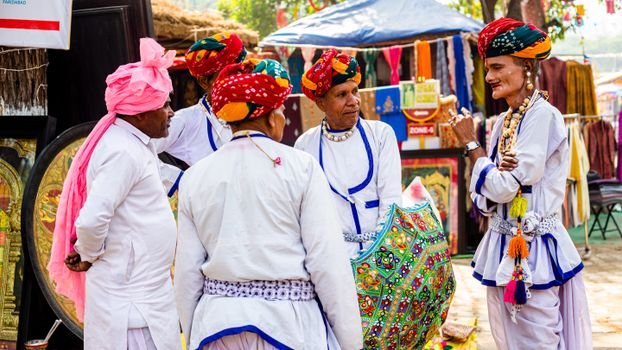
Cultural exchange initiatives like the “Encounter and Enlighten” events in Türkiye and Sri Lanka provoke a blend of optimism and skepticism. On one hand, such gatherings aim to foster dialogue, forge new partnerships, and celebrate diverse artistic expressions. On the other, they often raise critical questions about their effectiveness and the motivations behind them.

The event underscores the significance of cultural diplomacy in an increasingly interconnected world, particularly between nations with complex historical ties. However, the question remains: do cultural exchanges genuinely translate into deeper understanding and collaboration, or do they serve broader political agendas cloaked in the guise of goodwill?
A figure that stands out in this initiative is the effort to engage local communities and involve younger generations. While specific metrics from these exchanges weren’t disclosed, many similar events see participation rates often touted as successes. It’s essential to scrutinize what “success” really looks like in these contexts. Are the cultural exchanges leading to lasting relationships, or are they fleeting moments of interaction that do not extend beyond the event’s fanfare?
Furthermore, the selection of Türkiye and Sri Lanka as host countries prompts a deeper inquiry into the broader geopolitical implications. Türkiye, with its strategic position bridging Europe and Asia, and Sri Lanka, with its crucial maritime routes, hold significant political significance. Engaging these countries might be a strategic move to strengthen diplomatic ties, not simply an appreciation of culture. The question becomes whether this cultural appreciation is fostering authentic relationships or creating a façade of connection while underlying political and economic interests dominate.
In this light, the term “cultural exchange” can sometimes become a euphemism. It is crucial for observers and participants alike to be aware of the narratives being constructed around such events. Cultural exchange is undoubtedly important, but we must remain vigilant about the context in which it occurs and the forces that drive it. Without a critical lens, these initiatives risk becoming mere spectacles that gloss over more pressing issues.
As the conversations sparked by these encounters unfold, they should not just remain within the echo chambers established by international diplomacy. To be genuinely enlightening, these events need to push boundaries and challenge the status quo, encouraging participants to confront uncomfortable truths rather than merely revel in shared narratives of cultural pride. Only then can such exchanges hope to achieve their stated goal of enlightenment.