
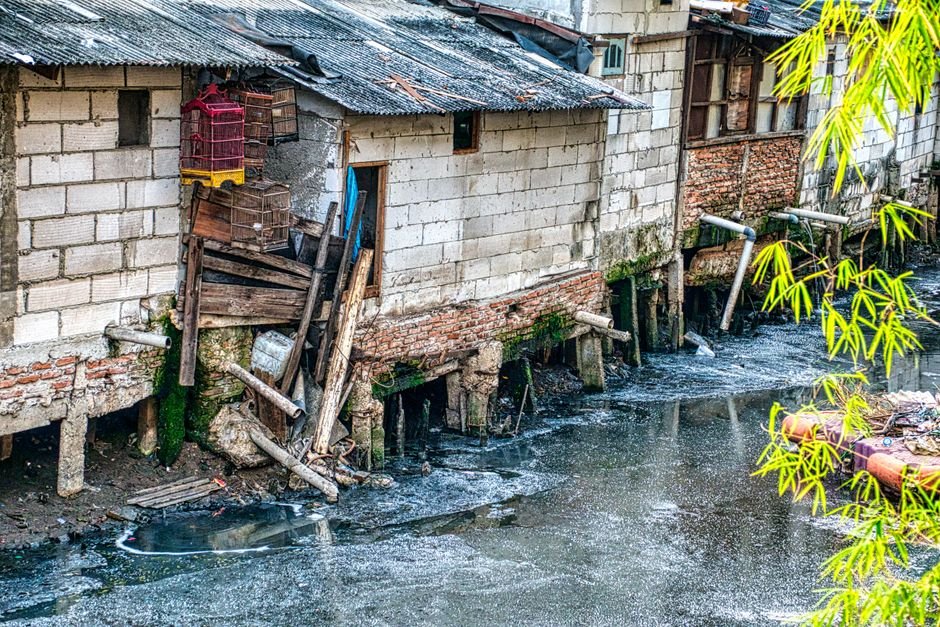
Low-income urban communities across Sri Lanka are facing an escalating public health crisis as deteriorating water quality leaves thousands vulnerable to contamination and waterborne illnesses. Rapid urbanization, paired with aging infrastructure and inadequate waste management, has severely compromised the municipal water supply in densely populated residential pockets.

Key Highlights
- Low-income urban settlements in Sri Lanka face severe health risks due to contaminated municipal water sources.
- Aging pipe networks, industrial runoff, and poor sanitation are primary drivers of the deteriorating water safety.
- Vulnerable families face heavy economic burdens, forced to buy clean bottled water or treat preventable waterborne diseases.
- Environmental advocates and health experts are urging immediate government intervention and targeted infrastructure investment.
The situation is particularly acute in urban informal settlements, where families frequently rely on unmonitored community standposts or shallow wells. Recent environmental reviews highlight alarming levels of bacterial contaminants and industrial pollutants entering local waterways. With limited access to reliable filtration devices, low-income households bear the brunt of these environmental hazards.
Beyond the direct health implications, the lack of clean water exacerbates financial hardship for marginalized communities already struggling with economic volatility. Residents are often forced to allocate scarce household funds to purchase bottled drinking water or burn costly cooking fuel to boil unsafe tap water. Experts emphasize that resolving this crisis will require comprehensive urban planning, regular public testing, and equitable access to modern sanitation infrastructure to safeguard public health.