
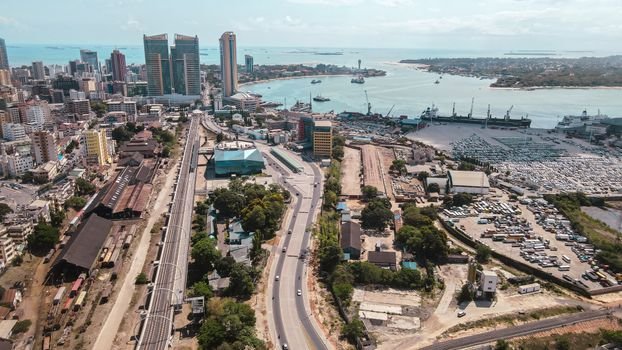
Port City Colombo is positioning itself as a crucial nexus for tourism and investment, particularly targeting Indian visitors as a cornerstone of its growth strategy. The ambition is to double the number of tourists, an assertion that raises several pressing questions about feasibility, sustainability, and long-term impact.

The focus on Indian travelers is not merely a nod to geographical proximity; it’s a deliberate strategy that leverages cultural ties, economic links, and shared history. However, the ambition to double tourist numbers poses significant challenges. Simply increasing visitor numbers does not automatically translate to economic prosperity. The infrastructure, services, and hospitality sectors must be prepared for a dramatic influx. Without concrete planning, increased numbers could strain resources and local communities, ultimately compromising the very experience that attracts tourists in the first place.
Another critical angle is the potential economic implications of this growth plan. Tourism is often heralded as a catalyst for job creation and income generation, yet the reality can diverge sharply from this ideal. The risk exists that while Port City Colombo may see a surge in economic activities, local communities may not proportionally benefit. If large hotel chains and foreign investors dominate the landscape, the economic windfall could bypass local businesses. Ensuring that revenue feeds back into the local economy is essential for a truly sustainable growth model.
The geopolitical dynamics also warrant scrutiny. India’s role as a pivotal player in this vision may entail deeper economic ties, but it also brings risks of over-dependence. Port City Colombo must navigate these waters carefully, ensuring that its aspirations do not compromise its autonomy or create imbalances in its relationships with neighboring nations. The reliance on one market could be perilous if economic conditions shift or if diplomatic relations sour.
Moreover, the environmental aspect of this growth strategy cannot be overlooked. Increasing tourist numbers without stringent sustainability measures can wreak havoc on natural ecosystems. Port City Colombo must integrate sustainable practices into its tourism development plans to protect its surroundings and appeal to a growing demographic of environmentally-conscious travelers.
In conclusion, while the aspiration to position Port City Colombo as a key player in the tourism sector with a focus on Indian travelers is commendable, it requires a nuanced approach. A success story must consider not only the numbers but also the quality of the experience, the economic benefits to local communities, the geopolitical ramifications, and the environmental implications. The growth plan must be robust, inclusive, and forward-thinking to truly realize its potential.