
Sri Lanka’s International Kite Festival: A Celebration of Resilience
The Colombo International Kite Festival 2026 recently illuminated the skies over Colombo, offering a vibrant showcase of colors and creativity. This event not only celebrates the skill of kite flyers from around the world but also represents a significant cultural revival for Sri Lanka after years of unrest and adversity.

A Glimpse into the Event
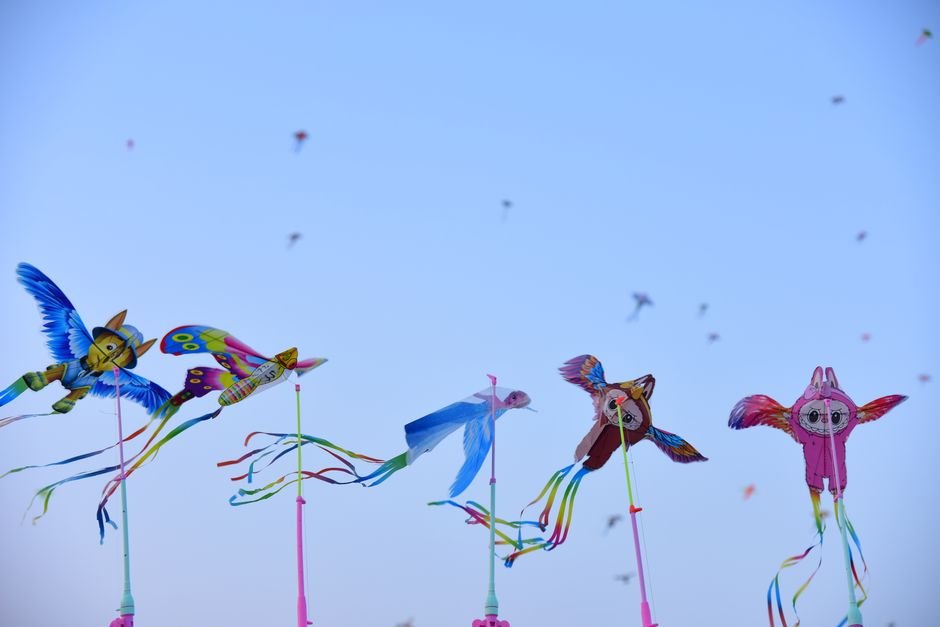
At the Galle Face Green seaside promenade, festival-goers were treated to an array of giant kites, shaped like animals, marine creatures, cartoon characters, and traditional figures. Acrobatic performances elevated the viewing experience, drawing keen interest from thousands in attendance. The event’s organizing committee highlighted participation from 80 individuals across 30 countries, along with a remarkable 2,500 local participants competing in various kite-related activities.
Madhawa Madawala, the head of the festival’s organizing committee, emphasized the festival’s transformation from a one-day event into a week-long cultural extravaganza, featuring kite-building workshops, a vintage vehicle parade, night displays, and cultural excursions. This expansion reflects a growing commitment to not only celebrate the art of kite flying but also to educate participants and spectators about its cultural significance.
Restoration After Adversity
The festival’s revival comes after a seven-year hiatus, impacted severely by the tragic terrorist attacks in 2019, the COVID-19 pandemic, and an ensuing economic crisis. Such challenges have shaped the Sri Lankan experience and reflect broader socio-economic conditions affecting cultural events worldwide. Resuming this vibrant festival indicates a collective resilience and a yearning for normalcy among Sri Lankans.
International Recognition and Local Impact
Recognized as one of the world’s top ten kite festivals, the Colombo International Kite Festival underscores the importance of international cultural exchange. It fosters a sense of community among participants and spectators alike, bridging gaps between nations through the shared enjoyment of a time-honored tradition. The event serves not only as a platform for artists and performers but also as a source of inspiration for local craftsmen, thus enriching the cultural landscape.
A Future of Cultural Engagement
Looking forward, the festival could enhance its educational impact by integrating more initiatives aimed at instilling environmental consciousness, particularly in relation to the materials used in kite production. This could address growing concerns about sustainability and environmental responsibility within artistic expressions.
In conclusion, the Colombo International Kite Festival stands as a powerful symbol of rebirth and cultural vitality. It illustrates how tradition can flourish amidst modern challenges, allowing for cultural heritage to thrive while offering hope and unity to a population still recovering from difficulties. With continued innovation and emphasis on inclusivity, the festival promises to grow even more significant in the cultural calendar not just of Sri Lanka, but globally.