
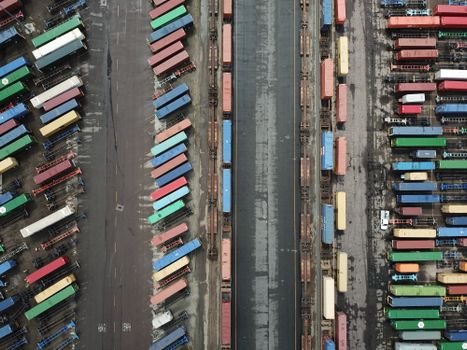
Colombo’s port is witnessing a notable surge in transhipment activity, attributed to the ramped-up operations by the Colombo West International Terminal (CWIT). The port’s strategic role in global maritime trade is underscored by this development, showing a percentage growth in throughput—an encouraging trend in a region historically marred by economic uncertainties and infrastructural shortcomings.

Transhipment, a crucial cog in maritime logistics, is more than mere numbers; it is an indication of the broader economic vitality. As CWIT expands its operations, the implications for the local economy are substantial. The efficiency and capacity enhancements provided by CWIT could potentially position Colombo as a pivotal hub in South Asia, an ambition that aligns with the Indian Ocean’s evolving shipping routes.
However, the acceleration in transhipment growth raises questions about sustainability and infrastructure readiness. The existing port facilities have often been criticized for their limitations, and while CWIT’s enhancement efforts are commendable, will they be sufficient to meet the escalating demands of international shipping traffic? Without substantial investments in accompanying infrastructure—such as road and rail connections—Colombo risks becoming a bottleneck rather than a conduit.
Environmental scrutiny is also warranted. Port operations generate emissions and other ecological impacts. As transhipment volumes rise, so does the potential toll on marine ecosystems, raising concerns that must be integrated into operational planning and development frameworks. The potential for conflicting interests between economic growth and environmental stewardship poses a challenge that cannot be ignored.
This growth dependent on one terminal also illustrates the risks inherent in over-reliance on singular entities for economic momentum. The systemic vulnerabilities exposed by recent global disruptions necessitate a diversified approach to port operations and regional economic initiatives.
In sum, while the increase in transhipment activities at Colombo’s port is promising, a critical eye must remain focused on the sustainability and infrastructure development that supports this growth. The trajectory of CWIT’s operations may well dictate not just the fate of regional maritime activity but the economic fortunes of Sri Lanka as a whole. Balancing ambition with responsible planning will ultimately determine whether this growth leads to long-term success or short-lived gains.