
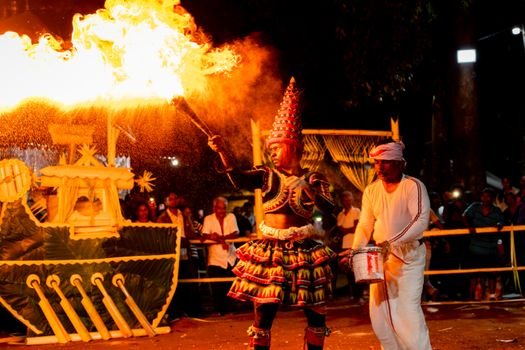
The Colombo Latino Festival marks its fourth year in Omaha, an annual celebration highlighting Latin culture, music, and community. This event, while superficially appearing as a festive gathering, also serves as a critical barometer for the prevailing dynamics of cultural identity and community cohesion in an increasingly stratified society.

At first glance, the festival’s longevity is commendable. Any community event that reaches its fourth year deserves recognition for its ability to resonate with audiences and maintain relevance. Yet, deeper questions emerge when considering who is actually being served at such festivals. Are these events truly inclusive, or do they merely cater to a niche audience, ultimately reiterating the boundaries of cultural representation rather than dissolving them?
The Colombo Latino Festival should not be viewed solely as an entertainer of the masses; rather, it provides an opportunity for reflection on how Latino identity is portrayed and perceived in Omaha. Festivals can often perpetuate stereotypes, reducing rich and diverse cultures to consumable spectacles, which is a critical aspect often overlooked in reports of such events.
Moreover, the economic implications of the festival play a significant role. The extent to which local businesses benefit from this celebration remains an unanswered question. Data on vendor turnout, sales, and participation rates could shed light on whether the event truly fosters economic vitality within the Latino community or if it inadvertently becomes another example of cultural exploitation without measurable long-term benefits.
As attendees engage with the music and dance, they also engage with a narrative that needs to be scrutinized: Who profits from these gatherings? Are local artisans and vendors being afforded the opportunity to showcase their talents and products, or do they find themselves overshadowed by larger commercial entities?
The festival encapsulates not just a celebration of cultural heritage, but also a challenge to reimagine what mutual support and representation can look like in practice. For events like the Colombo Latino Festival to thrive, they must evolve beyond simple festivities to become forums for meaningful discussions about identity, representation, and economic empowerment within the Latino community.
In sum, while the Colombo Latino Festival stands as a beacon of cultural celebration in Omaha, its authenticity, inclusivity, and economic impact warrant deeper analysis. Engaging with these critical angles not only enhances our understanding of the festival but also enriches the dialogue surrounding cultural representation and community engagement in a multi-faceted society.