
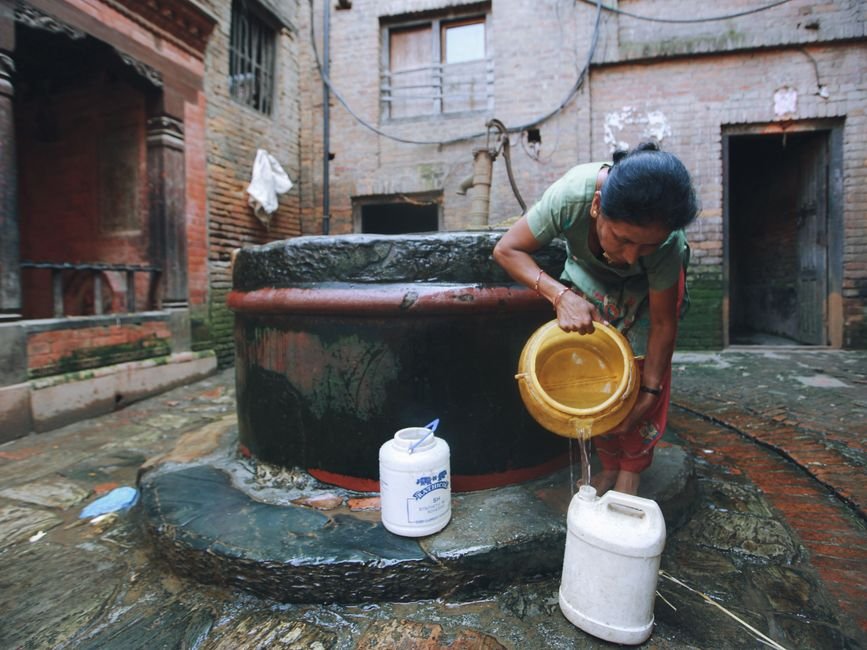
In the bustling commercial capital of Sri Lanka, a silent public health crisis is unfolding. Low-income communities across Colombo are bearing the brunt of deteriorating urban water quality, as aging infrastructure, industrial discharge, and inadequate sanitation expose thousands of vulnerable residents to unsafe water sources.

Key Highlights
- Deteriorating canal systems and aging pipe networks leave thousands in Colombo without access to safe drinking water.
- Under-resourced communities face heightened risks of waterborne illnesses, including cholera, dysentery, and skin conditions.
- Socioeconomic inequities force low-income families to spend a disproportionate amount of their earnings on clean water or medical treatments.
- Environmental activists and public health experts are calling for immediate municipal intervention and infrastructure upgrades.
For decades, rapid urbanization in Colombo has outpaced the development of essential public utilities. Underserved urban settlements—often located alongside neglected canal banks and low-lying areas—are particularly vulnerable. Sewage leakages and untreated industrial effluent frequently mix with shallow groundwater and municipal supply lines, rendering tap water unsafe for direct consumption.
The financial and physical toll on marginalized households is severe. Many families in low-income settlements are forced to choose between allocating meager daily wages toward buying bottled water or risking health complications by using polluted local sources. Boiling water offers partial relief, but the rising cost of cooking fuel adds yet another financial burden on struggling households.
Public health experts stress that without significant investments in modernizing the water distribution network and enforcing stricter waste disposal regulations for commercial entities, the cycle of health and economic hardship will persist. Environmental advocates are urging local authorities to prioritize equitable access to clean water as part of Sri Lanka’s broader urban rehabilitation strategy.