

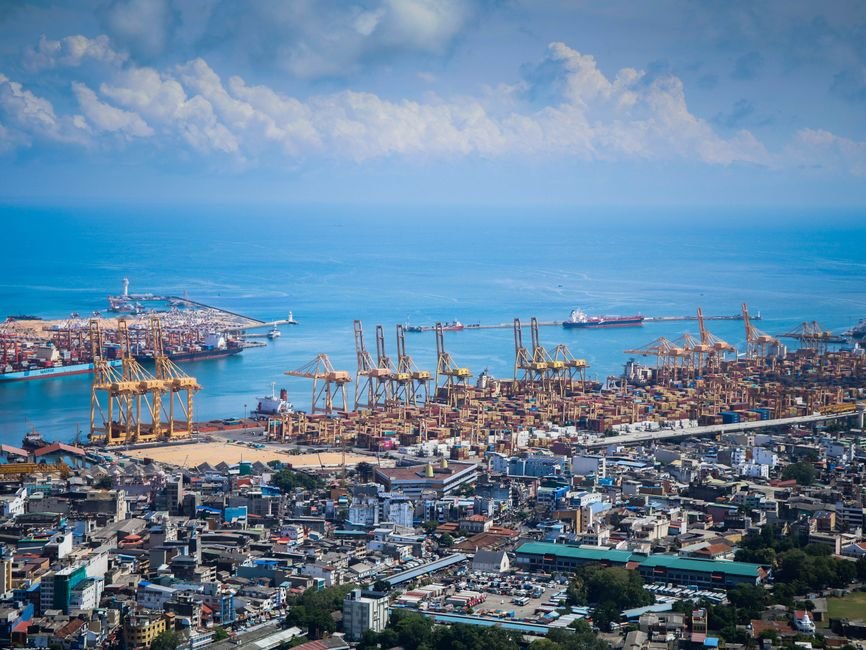
China’s strategic exit from operations at the Port of Colombo has intensified focus on the viability and management of overseas infrastructure backed by the Belt and Road Initiative. The move reflects mounting operational and financial complications within large-scale international maritime projects, marking a notable shift in external commercial engagement.

The Port of Colombo stands as a vital transshipment hub in South Asia, positioned directly along critical international sea lines of communication. While Chinese investments under the Belt and Road framework have historically sought long-term footholds in major transport infrastructure, persistent economic friction, debt scrutiny, and changing commercial calculations have created substantial obstacles for continuing operations.
Key Developments
- China’s operational withdrawal from the Colombo port marks a tangible setback for regional Belt and Road infrastructure commitments.
- Large-scale transport and maritime ventures face tightening scrutiny over capital efficiency, sovereign balance sheets, and long-term asset management.
- International logistics hubs are experiencing operational recalibrations as foreign infrastructure portfolios face broader fiscal constraints.
Global infrastructure investments under the Belt and Road Initiative are entering an increasingly challenging phase. As external debt management and asset performance pressure state-backed developers, port operators and partner governments must navigate the complex trade-offs between strategic geopolitical positioning and direct financial sustainability.