
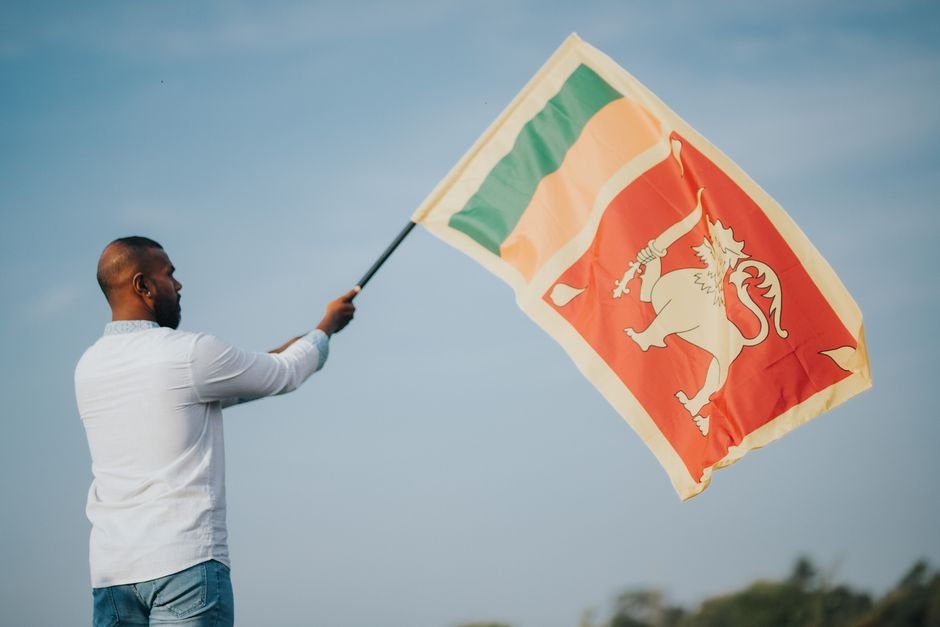
China has declared its backing for Sri Lanka’s non-aligned foreign policy, endorsing the island nation’s diplomatic approach to navigate mounting regional pressures and balance external geopolitical forces. As international competition intensifies across the strategically vital Indian Ocean region, Beijing’s support highlights Colombo’s continued efforts to maintain sovereignty and diplomatic autonomy while engaging with global partners.

Sri Lanka’s non-aligned stance is rooted in a tradition of avoiding binding allegiances with competing international blocs. Amid shifting economic conditions and evolving security dynamics in South Asia, smaller nations increasingly face pressure to choose sides in broader geopolitical rivalries. By supporting Colombo’s non-aligned positioning, China emphasizes a framework focused on mutual respect for national self-determination and non-interference in domestic affairs.
The endorsement comes at a crucial time for Indian Ocean diplomacy, where trade corridors and maritime security remain key focal points for regional powers. Backing a non-aligned framework allows for uninterrupted bilateral economic cooperation, development initiatives, and trade partnerships without demanding explicit geopolitical commitments, giving Sri Lanka diplomatic flexibility in managing its foreign relations.
Key Developments
- Formal support expressed for Sri Lanka’s non-aligned foreign policy to counter regional pressures.
- Strategic emphasis on maintaining national sovereignty and strategic autonomy in the Indian Ocean.
- Strengthened foundation for bilateral economic cooperation and diplomatic engagement without political alignment.
As regional dynamics continue to reshape South Asia, Sri Lanka’s adherence to non-alignment remains a central pillar of its global engagement strategy. Beijing’s endorsement reinforces Colombo’s position on the international stage, allowing the nation to navigate complex global partnerships while prioritizing its independent national interests.