
Examining the Role of Wildlife Parks in Conservation: A Case Study from Central Sri Lanka

The Sanctuary for Elephants
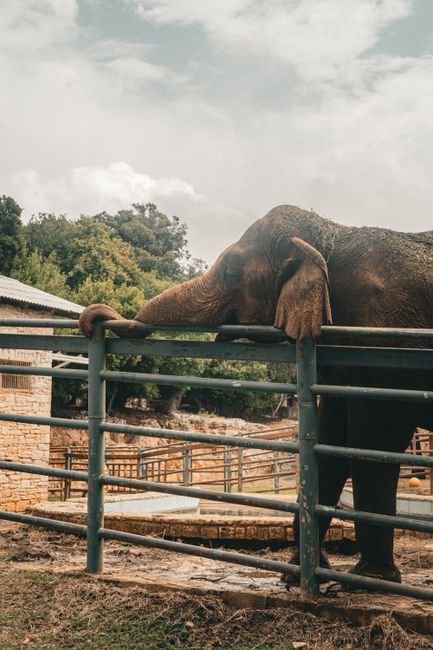
Central Sri Lanka is home to a notable wildlife park that serves as a crucial haven for elephants. This location plays a significant role in the conservation of these majestic creatures, offering a refuge amidst the threats posed by habitat destruction and poaching. The focus on such wildlife parks highlights not only the pressing need for conservation efforts but also the economic and social implications tied to these initiatives.
Indicators of Conservation Progress
The narrative surrounding wildlife parks often encapsulates more than just the safety of animals; it sheds light on broader conservation metrics. For instance, as populations of elephants face substantial challenges, the establishment and successful management of sanctuaries have become more than just beneficial; they are essential. These parks often report increases in wildlife numbers, yet the specific data regarding elephant populations in this sanctuary remains critical in evaluating its success.
Economic and Community Impact
The functioning of a wildlife park does not merely impact animal conservation; it also extends to local economies and community livelihoods. Often, wildlife tourism generates substantial revenue, which can support local communities and reinforce the importance of conservation. However, the challenge lies in ensuring that the wealth generated is equitably distributed and genuinely benefits local populations, rather than being siphoned off to larger corporate interests.
A Call for Comprehensive Policies
As we examine the success of this sanctuary for elephants in Central Sri Lanka, it becomes evident that comprehensive policies are crucial. Effective conservation is paramount, but without supportive frameworks, the future of wildlife parks remains uncertain. This includes adequate funding, legal protections against poaching, and continuous education initiatives tailored for local communities.
The Bigger Picture
The narrative of a wildlife park serving as a haven for elephants in Central Sri Lanka encapsulates a microcosm of the global conservation challenge. It underscores both the achievements and ongoing struggles inherent in protecting endangered species. Ultimately, as the landscape of wildlife conservation evolves, a critical reflection on these parks and their broader implications is necessary to ensure they remain effective in their pivotal role.