
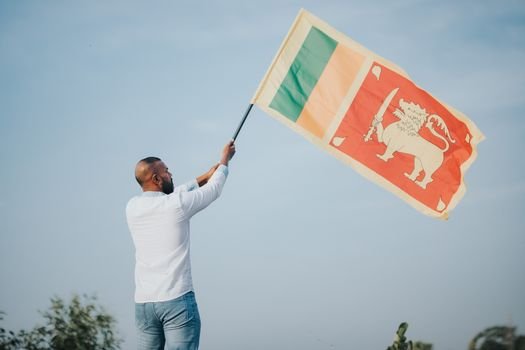
The recent Canada Day celebrations served not only as a day for revelry but also as a glaring reflection of the increasingly intricate web of business ties between Sri Lanka and Canada. While the mere existence of such links may seem innocuous enough, an analytical inquiry reveals deeper implications worth scrutinizing.

It is important to note that the growth of business relations is often accompanied by shifts in market dynamics and geopolitical strategies. The synergy between Sri Lanka and Canada suggests not just a bilateral desire for economic cooperation but also hints at broader aspirations, perhaps positioning each country within larger global contexts. The specific agreements and partnerships discussed during such celebrations are often overshadowed by social festivities, raising concerns about transparency and public engagement.
Canada, which has historically welcomed a considerable Sri Lankan diaspora, continues to retain strong economic interests on the island nation. In recent times, the burgeoning trade between these two countries has not been merely a function of diplomatic nicety; it has practical implications that extend beyond mere numbers. The dimensions of this partnership—sizeable investments, exports, and imports—can recalibrate local economies, impacting everything from employment rates to consumer choices in both nations.
An assessment of these evolving ties would not be complete without recognizing the potential vulnerabilities that accompany such economic interdependencies. A significant aspect of international trade is its susceptibility to external shocks, which, during times of global unrest or financial crises, can ripple through private and public sectors alike. This interconnectivity raises salient questions: who truly benefits from these established relationships, and what safeguards do these nations have to protect their interests?
Moreover, the Canada-Sri Lanka narrative highlights the necessity for both nations to consider ethical business practices amidst growth. With trade comes responsibility, and how both countries choose to navigate social, environmental, and labor issues within this growing partnership will undoubtedly inform public perceptions and diplomatic relations moving forward.
In conclusion, while the Canada Day celebration may have been a festive occasion, it served to underscore the complex layers of Sri Lanka-Canada business relations. As both nations enhance their economic collaboration, they must remain vigilant. The implications of deepening ties are significant, demanding careful examination beyond the allure of economic growth to mitigate potential risks. The stakes are not merely about numbers but encompass a broader dialogue on sovereignty, ethical standards, and the long-term viability of their partnership.