
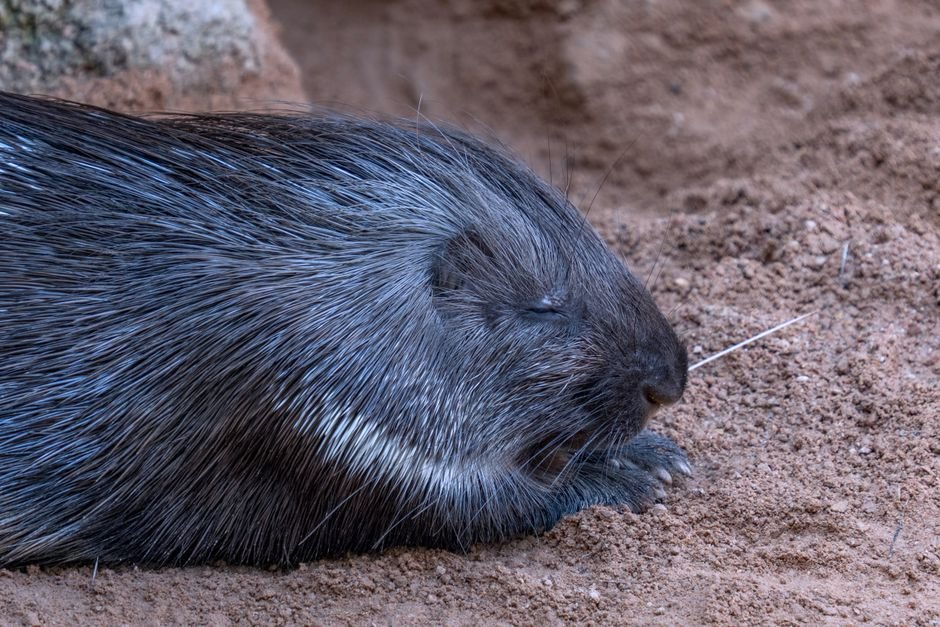
In a troubling incident highlighting ongoing concerns over animal welfare and wildlife protection in Sri Lanka, a porcupine has been brutally attacked and killed. The violent event has drawn immediate concern from wildlife advocates and local communities across the island, raising renewed calls for stricter enforcement of animal protection standards and broader public awareness regarding the preservation of native fauna.

The attack represents a severe breach of wildlife conservation principles within Sri Lanka, where native mammals frequently face threats from human encroachment, illegal poaching, and intentional harm. Porcupines, known for their distinctive quill defenses and vital ecological role in forest ecosystems, remain particularly vulnerable to violent encounters in regions where human activities intersect with natural habitats.
Wildlife protection measures and legal frameworks in Sri Lanka strictly prohibit the unwarranted killing and mistreatment of indigenous species. Despite these established legal safeguards, incidents of brutal violence against non-threatening wildlife continue to pose serious challenges for conservation authorities working to preserve the nation’s rich biodiversity and maintain ecological balance.
Key Developments
- Severe Incident of Wildlife Cruelty: A porcupine was brutally attacked and killed in Sri Lanka, underscoring persistent risks to local animal populations.
- Legal and Protection Concerns: The incident emphasizes the need for rigorous enforcement of existing animal welfare regulations to prevent deliberate harm to protected species.
As conservationists and civil society react to this act of cruelty, the incident serves as a stark reminder of the urgent need for enhanced vigilance, stricter penalties against animal abuse, and stronger community engagement to ensure the safety and survival of Sri Lanka’s indigenous wildlife populations.