
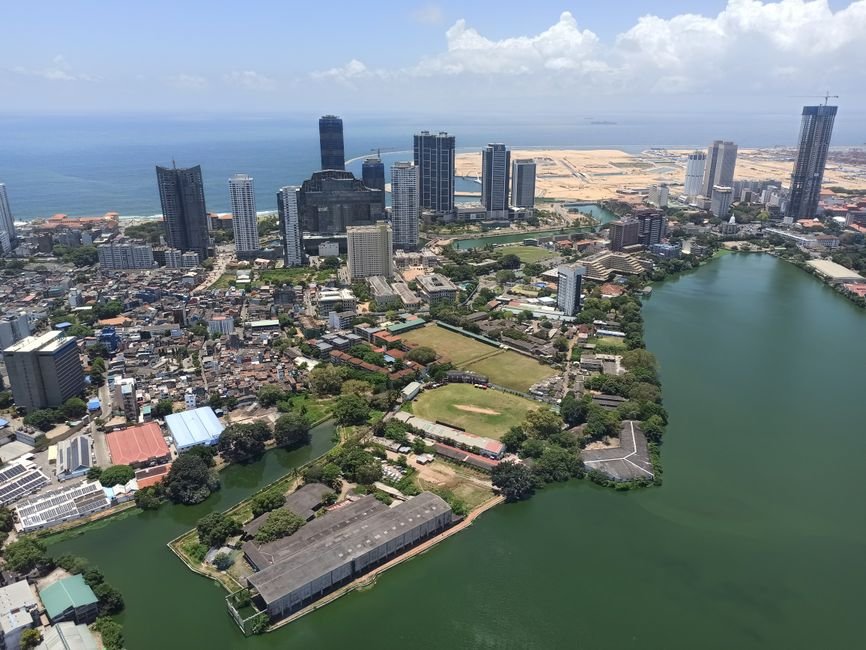
As Sri Lanka navigates its long-term economic recovery and development goals, the real estate sector is emerging as a primary pillar capable of transforming the national economy leading up to 2030. Positioned at the nexus of urban development, foreign capital inflows, and infrastructure modernization, property expansion across residential, commercial, and industrial segments is taking center stage in the island nation’s economic strategy.

The physical and structural evolution of Sri Lanka’s real estate landscape extends across key metropolitan zones, coastal development corridors, and commercial hubs. Modern mixed-use developments, corporate office complexes, and expanded hospitality infrastructure are designed to draw international investors while upgrading local urban capacity. Connected with major infrastructure improvements, including enhanced transport links and strategic coastal projects, the sector is creating fresh avenues for capital deployment and regional economic integration.
Key Developments
- Strategic Economic Pillar: Real estate development is identified as a critical growth engine driving Sri Lanka’s long-term economic outlook toward 2030.
- Urban and Commercial Expansion: Increasing investments in high-density residential, commercial, and mixed-use spaces are transforming key urban hubs.
- Capital Inflows and Job Creation: Property sector expansion stimulates employment across construction, engineering, finance, and asset management while attracting vital investment.
Looking toward 2030, the property market’s trajectory will be decisive in establishing sustained financial stability and dynamic urban growth. By aligning real estate expansion with sustainable urban planning and modern commercial needs, Sri Lanka seeks to elevate its skyline while building a resilient, globally competitive economic foundation.