
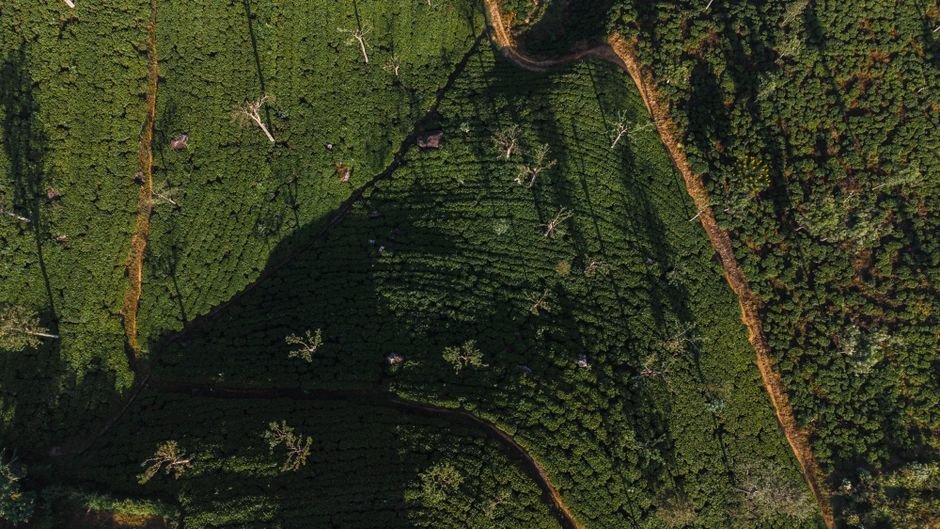
In Sri Lanka, the plantation sector is confronting an increasingly urgent imperative to move beyond reactive responses to El Niño weather patterns and establish long-term climate resilience. As weather volatility intensifies across the region, agricultural operations throughout the island nation face shifting rainfall dynamics and temperature extremes, highlighting the critical need for comprehensive adaptation strategies tailored to major crop sectors.

The recurring impacts of El Niño have historically exposed the heightened vulnerability of plantation agriculture to extended dry spells and erratic precipitation. While temporary mitigation efforts provide short-term relief during acute weather events, long-term economic stability and yield security demand proactive risk management, advanced soil moisture conservation, and climate-smart estate management practices.
Key Developments
- Strategic transition from short-term El Niño emergency response to permanent climate resilience framework.
- Prioritization of sustainable soil conservation, efficient water management infrastructure, and ecosystem-based adaptation.
- Implementation of adaptive agronomic measures to safeguard agricultural output and rural livelihoods against ongoing climate volatility.
Establishing lasting climate resilience requires targeted investments in infrastructure, sustainable land management, and adaptive agricultural techniques. By focusing on soil health restoration, improved water retention, and sustainable land stewardship, Sri Lanka’s plantation sector aims to reinforce its structural capacity to withstand future climate shocks and secure the long-term viability of its agricultural production.