
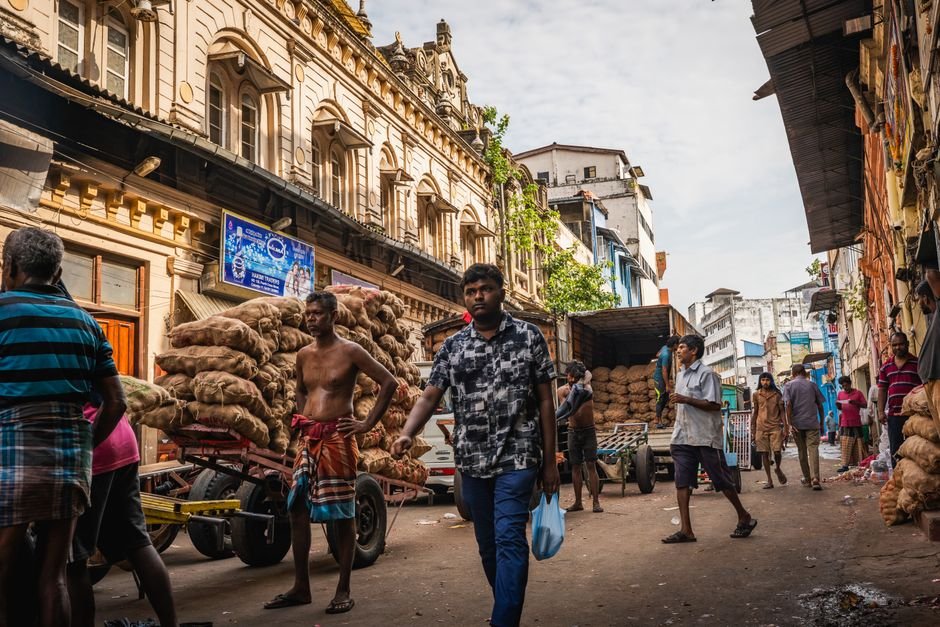
Following years of severe inflationary pressures and economic turmoil, Sri Lanka is undertaking a comprehensive review of its national wage policies. Policymakers and economic experts are aiming to strike a delicate balance between securing fair living wages for vulnerable workers and maintaining the financial viability of local businesses.

Key Highlights
- Revising baseline wage frameworks to mitigate the impact of post-crisis inflation on household purchasing power.
- Developing productivity-linked compensation models to protect small and medium enterprises from insolvency.
- Fostering structured dialogue between labor unions, private sector leaders, and economic advisors to build long-term labor stability.
The severe economic crisis that hit Sri Lanka in recent years drastically eroded real wages, leaving millions of households struggling to afford basic necessities. As the nation gradually moves toward macroeconomic stabilization, addressing wage stagnation has become a top socio-economic priority.
However, aggressive, blanket wage hikes carry the risk of overburdening small and medium enterprises (SMEs), which form the backbone of the Sri Lankan economy. To prevent potential business closures and job losses, authorities are exploring indexed wage adjustments tied to inflation and sector-specific productivity metrics.
Economic analysts emphasize that establishing a sustainable labor framework is crucial not only for poverty reduction but also for boosting domestic demand and ensuring long-term industrial competitiveness across the island nation.