
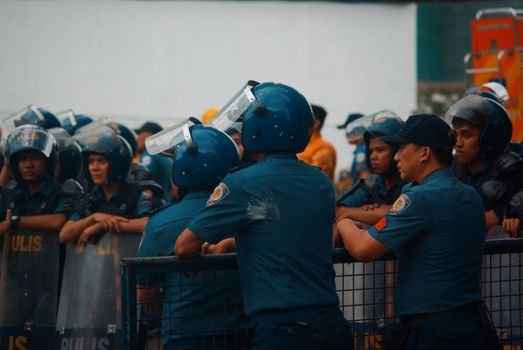
The tragic aftermath of the violent outburst in Negombo Prison, Sri Lanka, remains etched in public consciousness. The completion of post-mortems for the officers who lost their lives during the riot is a stark reminder of the severe risks confronting law enforcement in the face of an escalating prison crisis. This incident not only highlights internal failures within the correctional system but also the broader societal tensions that culminate in such destructive outbursts.

In recent years, Sri Lanka’s prison system has been grappling with severe overcrowding and inadequate resources. According to reports, the situation in Negombo Prison, where the riot occurred, is symptomatic of systemic flaws that have been neglected for far too long. The fact that law enforcement officials, whose role should be to uphold safety, have become targets of violence underscores a critical breakdown in the prison’s operational management and safety protocols.
The loss of life in this incident raises urgent questions about the adequacy of training and resources provided to officers tasked with maintaining order in such a volatile environment. It is not enough to simply conduct post-mortems; the real need is for a comprehensive inquiry into the conditions that led to this fatal confrontation. Asking why the prison guards were unprepared to handle the situation adequately is not just pertinent—it is necessary for preventing future tragedies.
Moreover, the societal implications of this riot stretch beyond the prison walls. The fact that officers were killed in a riot reflects an alarming level of desperation among inmates, potentially driven by dire conditions such as overcrowding and lack of basic necessities. This growing resentment among prisoners is a ticking time bomb, and the authorities must recognize that the repercussions extend far beyond the prison system, affecting public safety and trust in law enforcement.
While the immediate focus may be on honoring the officers who lost their lives, the systemic issues that allowed such violence to occur must be addressed with equal, if not greater, urgency. This incident serves as a call to action for policymakers; without significant reforms in the justice system, including better resourcing and oversight of prisons, Sri Lanka risks sliding further into chaos.
Thus, the post-mortems should not only serve as an end to the officers’ narrative but rather as a beginning—a starting point for reform that addresses the root causes of unrest within the penal system. The loss of life should compel a decisive response that ensures the safety of both officers and inmates, as well as restores integrity and functionality within the broader societal construct of law and order.