
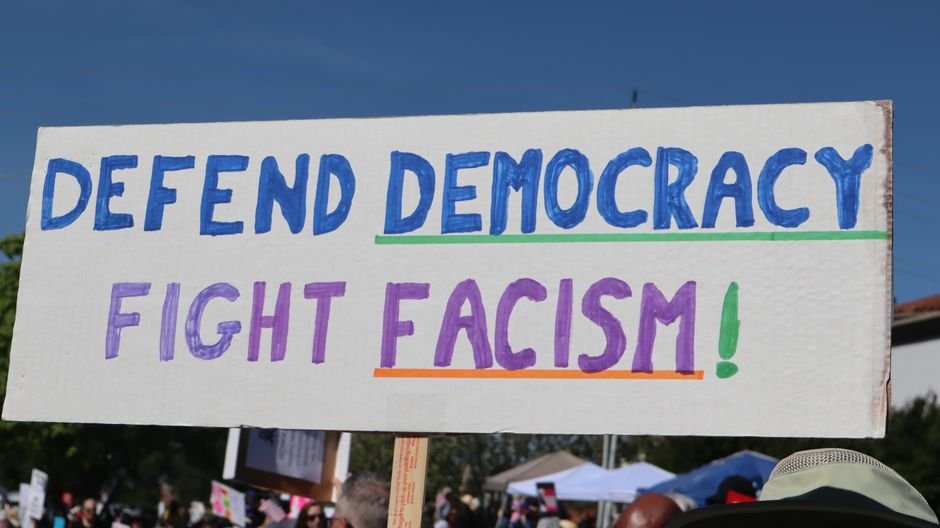
Human rights advocates and civil society leaders have issued a compelling call to protect and expand democratic civic spaces, emphasizing that sustainable peace, social cohesion, and national stability depend directly on fundamental human freedoms.

Key Highlights
- Civil society organizations play an indispensable role in peacebuilding, social justice, and democratic accountability.
- Growing restrictions on freedom of expression, peaceful assembly, and press freedom threaten long-term national stability.
- Stakeholders urge governments to view an open civic space as a prerequisite for sustainable development rather than a threat to authority.
The imperative to defend civic space comes amid growing concerns over legislative and administrative pressures on non-governmental organizations, journalists, and peaceful protesters. Experts argue that silencing dissent and narrowing the public sphere creates a fragile environment where unaddressed grievances can deteriorate into broader conflict.
Protecting these vital freedoms allows communities to participate meaningfully in governance, foster inclusive economic growth, and resolve disputes through peaceful dialogue. International observers and civil society groups continue to call on authorities to uphold constitutional rights and maintain an environment where independent voices can thrive for the benefit of society as a whole.