
Rescue Operation Highlights Underlying Tensions in Maritime Relations
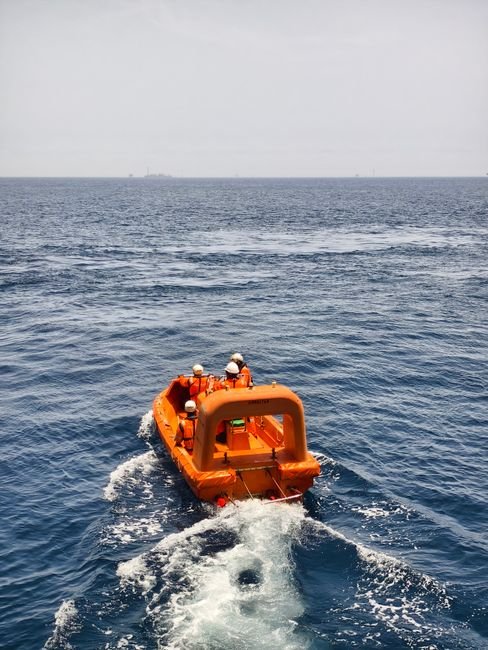
On August 6, 2026, the Sri Lanka Navy executed a rescue operation involving 11 Indian fishermen after their trawler ran aground on a coastal reef near Delft Island, in the Palk Strait. The incident raises a multitude of questions not only about the challenges faced at sea but also about the ongoing diplomatic tensions between India and Sri Lanka.

The Incident: A Closer Look
The fishing vessel reportedly crossed the International Maritime Boundary Line into Sri Lankan waters late on August 5, engaging in bottom trawling before encountering difficulties. This act was labeled as illegal fishing by the Sri Lankan Navy, with Commander Chaminda Walakuluge stating that the vessel was actively involved in activities deemed unauthorized within the nation’s waters. Rescued fishermen were brought ashore at Delft Island, further highlighting the operational readiness of the Sri Lankan Navy amidst potentially hostile situations.
Subsequent investigations revealed that the trawler sustained partial structural damage due to the grounding, raising concerns not only for the safety of the fishermen but also for the ecological integrity of the reef. The incident underscores the hazards of unauthorized fishing actions in contested waters.
Diplomatic Frictions: The Fishermen Issue
This occurrence arrives on the heels of a meeting involving Indian Foreign Secretary Vikram Misri and Sri Lankan leaders discussing the contentious fisherman issue. As indicated, India has requested Sri Lanka’s cooperation concerning the release of detained fishermen and their boats. The dilemma illustrates the delicate balance between sovereignty and humanitarian considerations in maritime diplomacy.
Historically, the Palk Strait has been a source of friction, with past incidents involving gunfire by Sri Lankan personnel at Indian fishermen accused of illegal engagement. Such hostilities not only impact the fishermen and their families but also strain Indo-Sri Lankan diplomatic relations, which are often plagued by misunderstandings and rising nationalism.
The Broader Impact on Fishermen Communities
The fate of the 11 Indian fishermen is intertwined with larger socioeconomic and political issues. The livelihoods of fishing communities on both sides of the strait are heavily reliant on access to rich fishing grounds. However, the constant threat of arrest for inadvertent trespass further complicates their already precarious existence. A significant question arises here: how can both nations develop a sustainable and cooperative framework that respects territorial integrity while preserving the livelihoods of their fishermen?
Concluding Thoughts: Navigating the Waters Ahead
The rescue of the 11 Indian fishermen serves as more than just a singular incident; it acts as a microcosm of the enduring complexities in Indo-Sri Lankan maritime interactions. Clearly, incidents of this nature demand immediate attention not just for humanitarian and legal resolutions but also for the establishment of a long-term maritime agreement to prevent future conflicts. As both nations navigate these tumultuous waters, it becomes increasingly essential to address the underlying issues that lead to repeated confrontations on the high seas.