
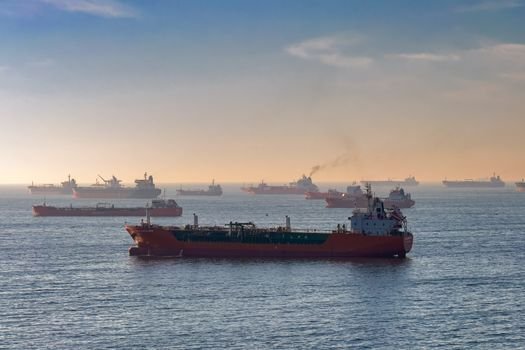
Colombo’s decision to host a maritime forum highlights the strategic importance of Sri Lanka’s ports in the global shipping network. This event is not merely a formality; it represents a significant opportunity for Sri Lanka to reposition itself as a maritime hub amidst competitive regional dynamics.

Sri Lanka’s ports are poised at a crucial crossroads, reflecting both the potential for economic growth and the challenges of geopolitical influences. As shipping routes increasingly shift to accommodate larger vessels post-Panama Canal expansion, Colombo could leverage its unique geographic location. The Indian Ocean, where the country lies, is a vital artery for global trade, linking East to West. Ports in Sri Lanka have the potential to attract business from major shipping lanes, drawing vessels that might otherwise pass by.
However, this forum isn’t just about promoting trade. It’s a pivotal moment to reassess investments in port infrastructure and the political will needed to make these developments actionable. With foreign investments flowing in, especially from nations keen on securing maritime dominance, this raises questions about how Sri Lanka can maintain its agency while navigating the competing interests of larger powers.
Investment in port facilities must be accompanied by robust governance structures to ensure that benefits trickle down to the local economy rather than inflate foreign corporate profits. The promise of jobs and economic upliftment for Sri Lankans remains dependent on strategic planning and accountability. Sri Lanka’s leaders must focus on sustainable development that integrates community interests with commercial objectives.
As Colombo showcases its ports, it must confront the specter of overdependence on certain partners or projects that may not deliver on promises. Past experiences with investments that faltered serve as reminders of the need for rigorous planning that prioritizes the national interest. Transparency in operations and contracts will be essential in ensuring that this maritime opportunity does not end in disillusionment.
The maritime forum presents a platform not only for expanding trade routes but also for redefining Sri Lanka’s role in the maritime domain. As discussions unfold, it will be pertinent to monitor how well Colombo balances emerging economic prospects against the complexities of international relationships. The time is ripe to shape a narrative where Sri Lankan ports are synonymous with resilience and strategic autonomy, rather than peripheral players in a larger game dictated by foreign interests. This delicate balance will define the nation’s maritime future.