
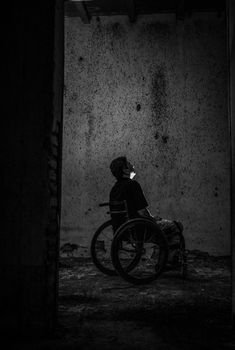
The plight of a disabled boy from Sri Lanka now confronting the very real threat of deportation from New Zealand starkly highlights the intersections of immigration policy, disability rights, and societal stigma. This situation raises uncomfortable questions about what constitutes a nation’s moral responsibility toward its most vulnerable.

Branded a “curse” in his homeland, this boy is not just a statistic; he represents the harsh realities faced by disabled individuals in societies plagued by discriminatory beliefs. The decision to label him in such a derogatory manner is indicative of a deeper issue—how cultural stigmas can manifest into harmful policies. The social environment that devalues lives based on ability is a systemic failure that demands scrutiny.
In New Zealand, a country priding itself on inclusivity and equality, this case contradicts its purported values. The boy’s potential deportation embodies a tension between upholding immigration regulations and the ethical imperative to protect individuals who face discrimination in their home countries. At the heart of this situation lies a stark dichotomy: the principles of immigration law versus the compassionate obligation to offer refuge to those in dire need.
While New Zealand has enacted various policies to protect the rights of disabled individuals, instances like this unveil significant gaps and contradictions. The intersection of immigration law and disability rights urgently requires revision. The boy’s future, now hanging in the balance, emphasizes a critical need for an inclusive approach to policy—one that considers personal histories and the unique challenges faced by individuals with disabilities.
Addressing these complexities does not simply rest on changing legislative language; rather, it requires a societal shift towards understanding and accepting disability in all its forms. The boy’s struggle should provoke an honest dialogue about cultural perceptions, the role of education in combating stigma, and the essential need for support structures for disabled individuals worldwide.
The situation also prompts an examination of New Zealand’s role as a global player in human rights advocacy. Its response will not only define its commitment to the boy’s well-being but may also serve as a reflection of its dedication to upholding the rights of disabled persons globally. An insightful response could solidify New Zealand’s reputation as a nation willing to challenge the status quo, standing firm against the tide of discrimination that too often dictates the fate of the vulnerable.
As this case unfolds, it serves as both a cry for help from an individual boy and a larger plea for reform within immigration and disability rights. The intersection of these issues demands immediate attention; the stakes are not merely academic but profoundly human, affecting lives and futures in both the present and for generations to come.