
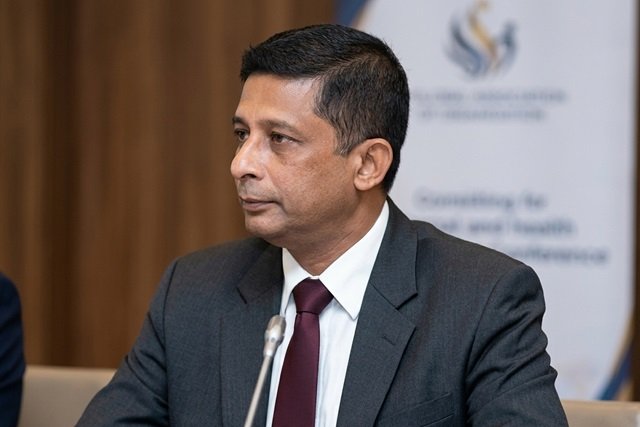
Suresh Sallay, the former Intelligence Chief of Sri Lanka, has chosen a drastic route to draw attention to his plight: a hunger strike in a hospital setting. This action, while striking in its intensity, raises critical questions about the intersection of individual rights, state accountability, and the broader implications for national security practices in Sri Lanka.

Firstly, one must consider the gravity of a hunger strike undertaken by such a prominent figure. Sallay’s ongoing protest, from his hospital bed, not only highlights a personal battle but also serves as a glaring spotlight on the mechanisms of power within the Sri Lankan government. While specifics regarding the motives behind his hunger strike are not stated, the implications are profound. A former intelligence chief wielding significant influence has resorted to this extreme method to convey dissatisfaction—what does this say about the current state of governance and the treatment of whistleblowers or those challenging state narratives?
Additionally, the context of such a hunger strike in Sri Lanka cannot be ignored. This nation has faced turbulent times, with previous accusations against state intelligence units regarding human rights violations and suppression of dissent. Sallay’s hunger strike risks becoming an emblem of deeper structural failures within those systems. Without knowing the details of the specific grievances that led him to this point, one might speculate whether there lies an overwhelming sense of fear and frustration prevalent among those tasked with safeguarding national security.
Moreover, the act itself poses ethical dilemmas regarding the state’s responsibility to its citizens, particularly those in positions of power. As the state of mindfulness towards human rights grows, the situation challenges how much authority should be vested in intelligence agencies—and, by extension, what protections must be guaranteed for those who serve in such capacities. Sallay’s silence amid significant health risks could resonate loudly, igniting debates on a national and global scale about rights versus responsibilities in the realm of public service.
This hunger strike is not merely a personal protest but potentially a harbinger of shifting public sentiment regarding governmental conduct in Sri Lanka. It brings to the forefront the essential query: how far must individuals go to express dissent in a climate that often stigmatizes critique? The political landscape is marred with historical wounds, and such acts of desperation may indicate that we are once more on the brink of significant upheaval.
In essence, Suresh Sallay’s choice to publicly engage in a hunger strike is substantial—it is a call to ponder the ethical ramifications surrounding power dynamics, the treatment of those within the intelligence fold, and the larger conversation about civil liberties in Sri Lanka. Without clarity around the issues that compelled Sallay to this extreme action, the nation stands at a crossroads, facing the urgent need for dialogue surrounding accountability, justice, and comprehensive governance reform.