
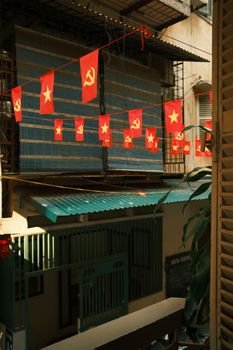
On the occasion of the 105th Founding Anniversary of the Communist Party of China, major political parties in Sri Lanka have extended congratulations, marking a significant moment in the relationship between the two nations. This diplomatic gesture sheds light not only on the cordial ties but also raises important questions about the implications of such alliances in the broader political landscape of South Asia.

The 105-year milestone reached by the Communist Party of China represents not trifling political achievements. It underscores the party’s expansion and consolidation of power leading to China’s current status as a global superpower. Sri Lanka’s political parties, by offering their congratulations, are not merely acknowledging history; they are simultaneously positioning themselves within the geopolitical dynamics shaped by China’s growing influence in the region.
The Sri Lankan congratulatory messages may be perceived as a nod to China’s role in the nation’s development projects, particularly in infrastructure and investment. In recent years, Chinese-funded projects in Sri Lanka have been criticized for mounting debt and concerns about national sovereignty. Notably, the Hambantota Port, built with Chinese funding, has stirred significant debate. Critics argue that projects like these increase economic dependence on China, leading to a precarious balance of power in the region. The warm embrace by Sri Lankan political parties of such a monumental Chinese anniversary suggests alignment or, at the very least, a strategic maneuvering in the Sino-Lankan relationship that merits scrutiny.
Furthermore, this congratulation from Sri Lankan parties raises questions about their motivations. Are they genuinely acknowledging a historic ally, or are they engaging in opportunistic politics to leverage economic or diplomatic gains? Both the ruling party and the opposition coalitions must be watched closely for their intentions in maintaining such relationships, especially amidst shifting alliances globally and within their domestic political contexts.
Moreover, as regional superpowers like India and emerging forces contest the traditional balance of power in South Asia, the role of China becomes even more pivotal. Such gestures of goodwill might reflect a deeper entrenchment of China’s influence in this vital geopolitical theatre. This development could make Sri Lankan political parties more beholden to Chinese interests, sacrificing national priorities for foreign alignments.
The consequences of this relationship will unfold in various forms—economic, political, and cultural. Sri Lanka stands at a crossroads where it must navigate its sovereignty while courting foreign investments. The warm congratulations on the 105th anniversary of the Communist Party of China is not merely a diplomatic nicety; it signals strategic inclinations that could shape the future of Sri Lankan politics and its role in South Asia.
As the nation observes this anniversary, the critical task ahead is to evaluate the potential repercussions of an increasingly visible Chinese presence in local affairs. The challenges posed by such alignment must not be overshadowed by celebratory rhetoric. The complexities of foreign relations demand vigilance and a balanced approach, lest Sri Lanka find itself entangled in dependencies that compromise its own autonomy.