
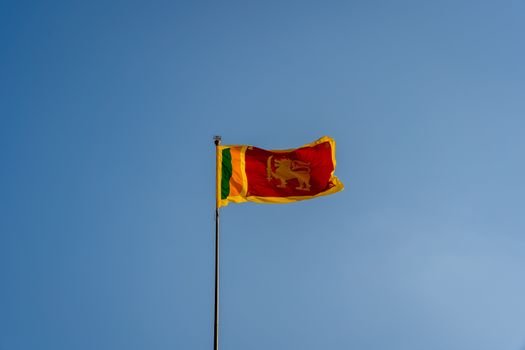
The 19th annual East Coast Cricket Festival in New Jersey attracted hundreds of participants, underscoring a powerful sense of community and cultural unity among Sri Lankans. This gathering is more than just a sporting event; it serves as a reflection of the diaspora’s collective identity and resilience.

However, the sheer number of attendees prompts a critical examination of what “unity” truly means in this context. Yes, hundreds gathered, illustrating a robust turnout, but this also raises questions about the underlying challenges faced by the Sri Lankan community in the United States. In light of ongoing economic and political turmoil in Sri Lanka, celebrating unity in a foreign land may indicate a yearning to hold on to cultural roots as much as it showcases an outward display of solidarity.
Events like this can create a facade of tranquility and cohesiveness, yet the reality is often more complex. While the festival engages participants in a shared experience, it also risks glossing over the deep-seated issues that fracture communities. The political divisions and socioeconomic struggles originating from the homeland inevitably extend into diaspora communities. An event aimed at celebrating unity should also address these challenges head-on rather than simply celebrating cultural pride in isolation.
Moreover, as we celebrate sporting camaraderie, one must consider its sustainability. The festival has reached its 19th year, which speaks to a commitment to ongoing cultural celebration. However, without reflecting on the pressing issues back home—like governance, human rights, and economic stability—the event may serve as little more than a temporary refuge from reality.
It is essential to use these vibrant gatherings as opportunities not merely for celebration but also for critical dialogue. As Sri Lankans commemorate their collective identity through festive activities, there lies a responsibility to harness this energy into advocacy and action. Moving forward, one must consider how such events can evolve beyond cultural affirmation into platforms for awareness and change regarding the actual conditions impacting Sri Lanka and its people.
Unity should not be perceived as a static achievement but rather as an ongoing process requiring introspection, engagement, and a willingness to confront uncomfortable truths. The East Coast Cricket Festival, while a joyous occasion, must serve a dual purpose: celebrating culture and galvanizing a community to respond to the challenges faced in their homeland. The path ahead calls not only for festivity but for activism that resonates with the profound issues at stake in Sri Lanka today.