
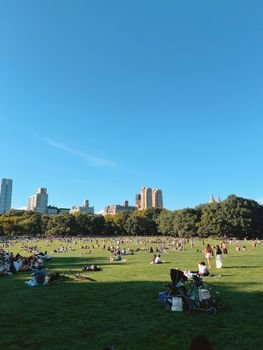
Home Lands has officially broken ground on the ‘Central Park Boulevard Port City Colombo’, a significant development aimed at transforming the urban landscape of Sri Lanka’s capital. The emphasis on creating a vibrant, green living space within a bustling city is commendable, yet it prompts a critical examination of the socio-economic implications and long-term sustainability of such projects.

At the heart of this initiative is Port City Colombo, a sprawling investment zone that has sparked both enthusiasm and skepticism among stakeholders. The drive to position this area as a modern urban hub is ambitious, but it raises questions about the inclusivity of such developments. Who stands to benefit from the collaboration between Home Lands and governmental bodies? The likelihood of gentrification, where existing residents face displacement due to rising costs, looms large. It is essential to scrutinize how this project will cater not only to affluent newcomers but also support the local communities that have historically called this area home.
The announcement comes amidst a backdrop of economic uncertainty in Sri Lanka, characterized by fluctuating currency values. Such instability could impact investment flows and the feasibility of sustaining large-scale projects like Central Park Boulevard. How will this development adapt to economic variabilities that might deter potential investors or residents?
Moreover, while the intention behind creating a “Central Park” is to foster recreational spaces amidst urban density, it begs the question of environmental sustainability. The construction phase, if not managed properly, could harm local ecosystems that are crucial for maintaining the city’s balance. What safeguards are in place to ensure that the development does not compromise natural habitats or worsen existing environmental concerns?
These issues necessitate a multi-faceted approach, one which includes transparency from developers and stakeholders regarding the environmental impact assessments and detailed socio-economic studies. For those investing in Port City Colombo, a clear articulation of the planned benefits for all community members is crucial.
The vision for Central Park Boulevard can indeed serve as a model for revitalizing urban spaces in Sri Lanka, but execution must prioritize equity and sustainability. A successful outcome hinges on the commitment to include diverse voices in the planning process and address the essential question: who truly benefits from the urban development wave sweeping through Colombo? Without thoughtful consideration of these angles, the ground broken today may pave the way for problems down the road rather than a thriving community space.