
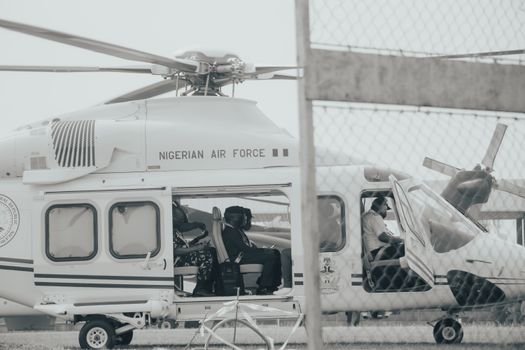
The recent visit of the US Pacific Air Forces Commander to Sri Lanka underscores a complex interplay of geopolitical interests in the region. While the meeting might seem like a mere diplomatic gesture, it reflects deeper strategic calculations, particularly as Sri Lanka navigates its economic difficulties.

The backdrop of this visit cannot be ignored. Sri Lanka has been grappling with severe economic challenges, including a significant financial crisis that has led to widespread shortages of essential goods. At a time when the nation seeks to solidify international partnerships, the arrival of a senior military official signals a potential shift in alliances and military cooperation.
The Pacific Air Forces Commander’s presence suggests an America that is intent on reinforcing its strategic foothold in South Asia, especially in a context where China’s influence continues to rise. The South Asian region has become a geopolitical hotspot, with great powers vying for influence and access. As Sri Lanka, located along crucial shipping lanes, becomes pivotal in this competition, the US’s military overture may also illustrate its intentions to counterbalance Chinese investments in the region.
The implications of this engagement are manifold. From an economic perspective, Sri Lanka must weigh the benefits of deepening ties with the US against the potential backlash from China, which has invested heavily in infrastructure projects within the country. Such choices carry risks; a closer partnership with the US could alienate vital economic partners or lead Sri Lanka into a precarious situation where it must choose sides amidst a brewing superpower rivalry.
Critically, this visit raises pressing questions about Sri Lanka’s sovereignty and its long-term strategic vision. While deepening defense ties may seem attractive in the short term, officials must consider whether this aligns with their national interests, especially in a period marked by internal strife and discontent over the government’s handling of the economy. Public sentiment is fragile, and any perception that the government is compromising its sovereignty for foreign military ties could fuel unrest.
Ultimately, the arrival of the US Pacific Air Forces Commander is emblematic of the significant pressures facing Sri Lanka as it navigates international relationships amidst its economic crisis. The country stands at a crossroads, where decisions made today will resonate for years to come, impacting its national security, economic recovery, and regional standing. The balancing act will demand astute diplomacy and a clear-eyed assessment of both external threats and internal realities.