
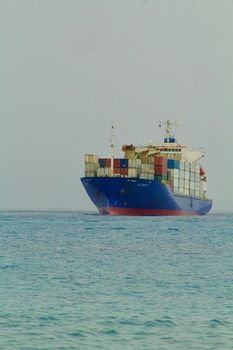

Environmental Response to MSC Elsa 3 Incident
In a concerning development for Sri Lanka’s marine ecosystem, the Marine Environment Protection Authority (MEPA) announced the recovery of over 43 containers filled with plastic pellets that washed ashore following the sinking of the container ship MSC Elsa 3 off the coast of Kerala. The chairman of MEPA, Samantha Gunasekara, revealed that the pellets have been detected along a lengthy stretch of coastline from the Jaffna islands down to Galle.
Ongoing Cleanup Efforts Intensified
The cleanup operation, which involves the deployment of 1,800 workers, has gained momentum particularly with the arrival of the monsoon season. Continuous rains are exacerbating the issue, pushing more plastic waste to the shores. The shipping company responsible for the MSC Elsa 3 incident is financially backing these recovery efforts, highlighting the rising costs associated with such environmental catastrophes.
Compensation for Marine Ecosystem Damage
Amidst the recovery operations, MEPA has begun preparations to estimate the compensation needed to address the ecological damage inflicted by the sinking vessel. An expert committee tasked with this evaluation convened recently to initiate discussions on the extent of the impact on local marine life and habitats.
The Accident’s Background
The MSC Elsa 3, which flagged under Liberia, sank on May 25, 2025, due to a water leak while traveling approximately 38 nautical miles off the Indian coast. At the time of its sinking, the vessel carried a total of 643 containers, raising concerns about the potential for further environmental impacts as shipping practices continue to evolve.
Call for Better Maritime Safety Protocols
This incident emphasizes the urgent need for reinforced maritime safety protocols and environmental safeguards to mitigate the impacts of future accidents. With the continuous threat of plastic pollution, both local authorities and global shipping companies must adopt stricter measures to prevent such environmental crises from occurring again.
As Sri Lanka tackles the repercussions of this spill, the focus must not only remain on recovery but also on sustainable practices that protect the ocean and maintain the balance of its fragile ecosystems.