

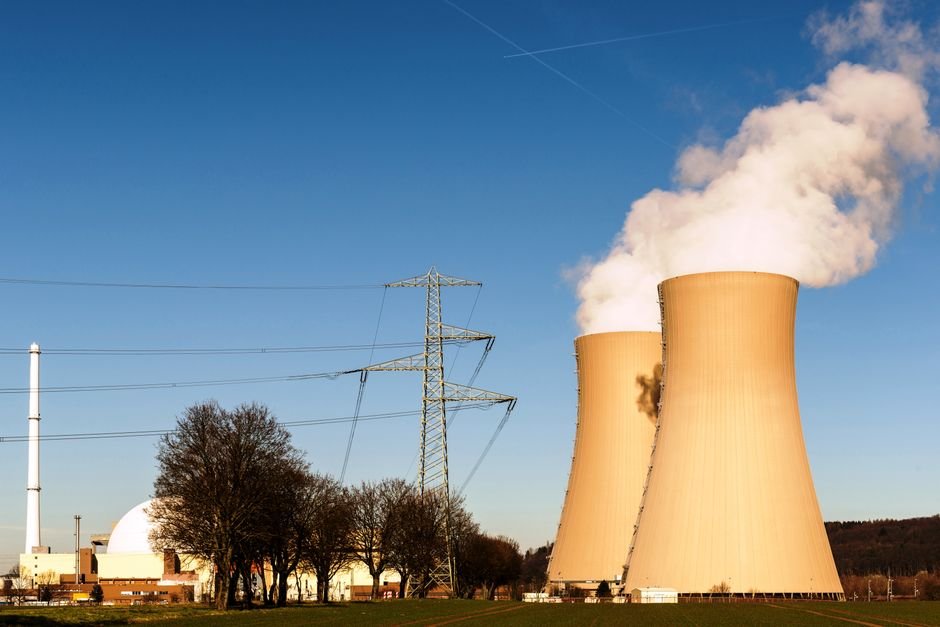
Sri Lanka has initiated evaluations regarding the potential role of nuclear energy in its national power generation framework, exploring the technology as part of its long-term strategy to meet evolving electricity demands.

The evaluation centers on addressing future power capacity requirements and examining how alternative energy sources can support grid reliability. Planning authorities are assessing the technical, economic, and infrastructure considerations associated with integrating nuclear power into the national energy mix.
Key Developments
- Sri Lanka is assessing the feasibility of nuclear energy for future power generation.
- Evaluations focus on long-term energy security and expanding power supply options.
- The review considers infrastructure, regulatory requirements, and baseload generation needs.
For developing island economies, exploring nuclear energy introduces critical considerations surrounding upfront capital costs, specialized regulatory oversight, and grid compatibility. While nuclear power offers consistent baseload capability without direct carbon emissions during operation, the transition requires substantial investments in safety frameworks, waste management protocols, and international technical partnerships to ensure sustainable deployment.
The ongoing assessments will determine the extent to which nuclear generation can practically contribute to the country’s future power landscape alongside existing energy resources.