

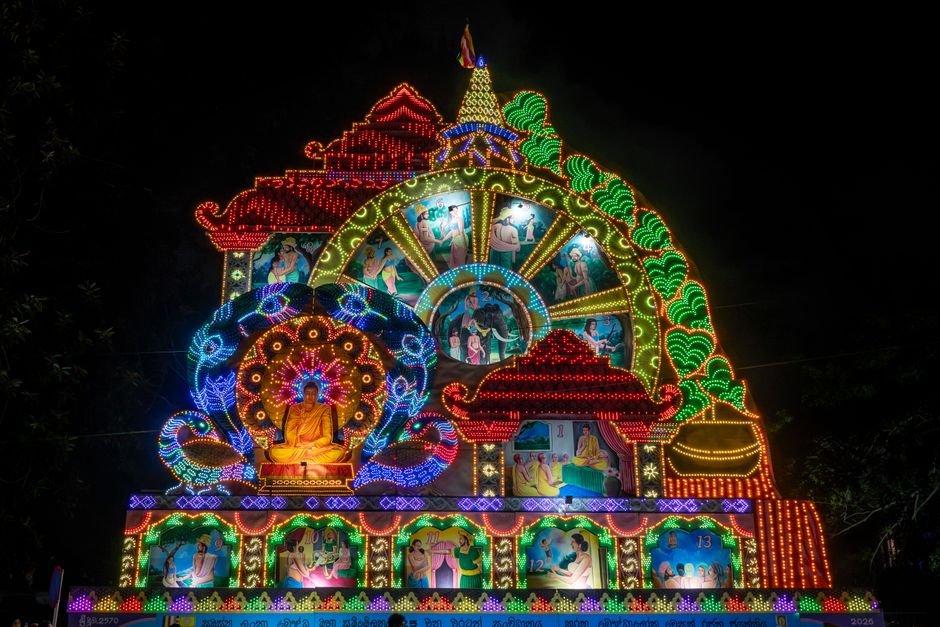
Beijing has intensified its cultural and religious outreach in Sri Lanka, utilizing Buddhist diplomacy to strengthen bilateral relations and broaden its engagement across the island nation. The diplomatic initiative seeks to leverage shared religious traditions to establish closer ties with religious institutions and the broader public.

Cultural diplomacy has emerged as an increasingly prominent component of foreign engagement, complementing established economic and infrastructure partnerships. By fostering religious dialogues and cultural exchanges centered on Buddhist heritage, diplomatic missions aim to nurture goodwill and cultivate deeper institutional relationships with key religious and community leaders.
The expansion of faith-based diplomacy reflects a strategic effort to enhance soft power within South Asia. In Sri Lanka, where Buddhism plays a central role in national and cultural life, establishing robust connections through religious heritage provides an avenue to build social capital alongside formal governmental and commercial cooperation.
Key Developments
- Beijing increases focus on Buddhist cultural and religious exchanges in Sri Lanka.
- Diplomatic outreach aims to build stronger institutional connections with local religious communities.
- Soft-power engagement complements ongoing bilateral and economic cooperation between the two nations.
As international diplomatic strategies increasingly integrate cultural exchange, Beijing’s focused engagement with Buddhist institutions underscores the growing significance of faith-based dialogue in fostering sustained bilateral partnerships.