

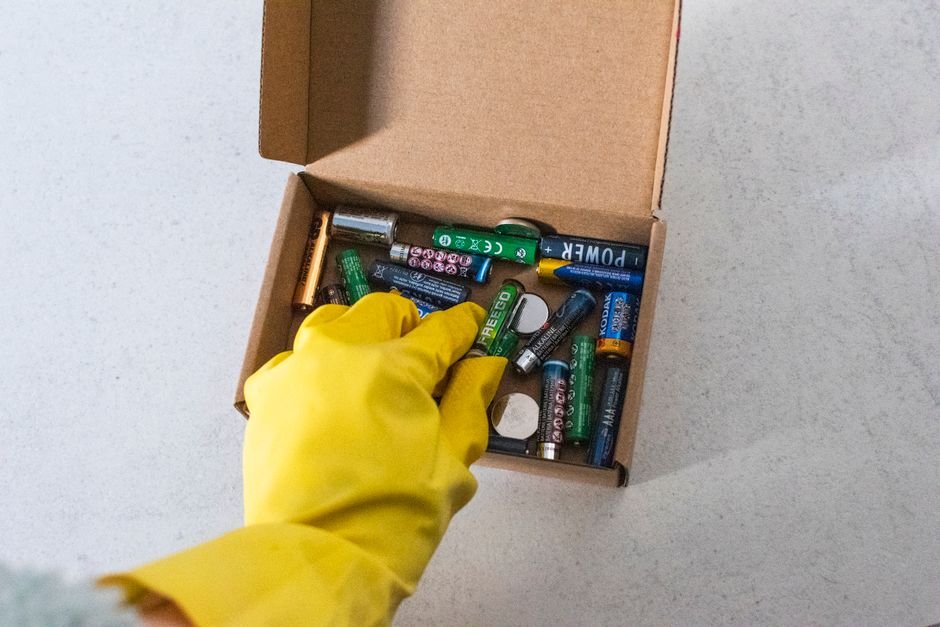
More than 5,000 tonnes of battery acid are discarded annually across Sri Lanka, raising substantial concerns over hazardous chemical management and environmental contamination nationwide.

The routine release of corrosive battery acid into the surrounding environment creates persistent risks for water tables, soil stability, and public sanitation. Lead-acid batteries, commonly used across industrial, transport, and commercial sectors, contain hazardous acid solutions that require rigorous neutralization, specialized collection infrastructure, and safe recycling protocols to prevent uncontrolled runoff.
Key Highlights
- Over 5,000 tonnes of battery acid are dumped each year within Sri Lanka.
- Improper chemical disposal poses ongoing risks of heavy metal contamination and freshwater degradation.
- Safe containment and formal waste treatment remain central to mitigating toxic chemical exposure.
Unregulated disposal of industrial fluids at this scale underscores the ongoing pressure on municipal ecosystems and waste monitoring systems tasked with handling hazardous industrial byproducts.