

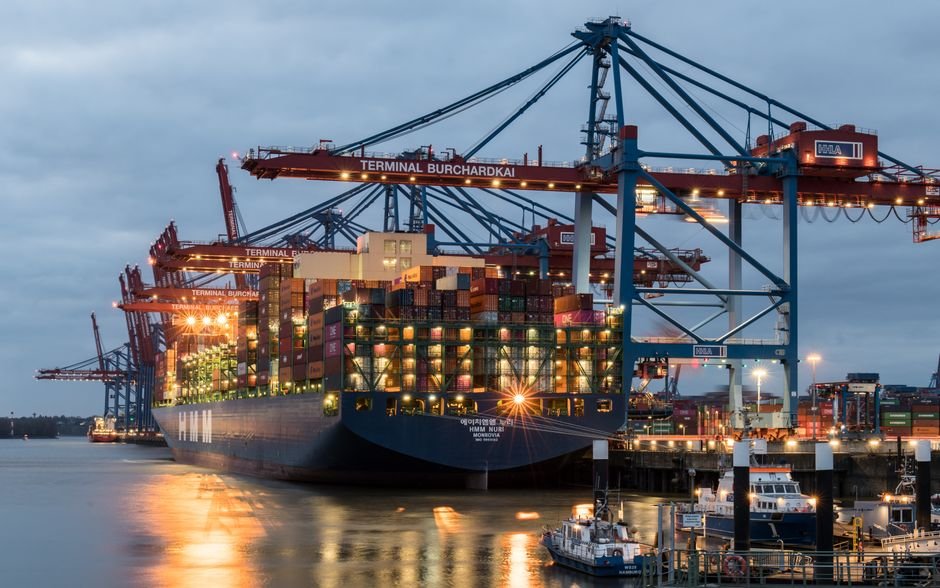
The ongoing development and operational buildup at Matarbari are reshaping the maritime landscape across the Bay of Bengal and the northern Indian Ocean, presenting both competitive pressures and strategic opportunities for regional shipping hubs, particularly Sri Lanka.

As Matarbari advances its deep-water capabilities to handle larger commercial vessels and direct cargo shipments, established transshipment channels face an evolving operational environment. For Sri Lanka, which serves as a central logistics gateway along primary East-West sea lanes, the rise of alternative maritime infrastructure requires enhanced efficiency, infrastructure adaptation, and strategic economic integration.
Key Regional Implications
- Elevated Competition: Matarbari’s progress introduces an alternative maritime node capable of accommodating large draft vessels, recalibrating direct-call shipping patterns in the region.
- Strategic Realignment: Sri Lanka must leverage competitive pressure to optimize port logistics, accelerate turnaround times, and expand value-added maritime services.
- Economic Opportunity: Deepening commercial connectivity and bilateral trade integration across regional supply networks can help maritime nations turn localized competition into complementary economic growth.
By modernizing terminal handling and expanding port-related services, regional maritime authorities can successfully balance emergent competitive dynamics with broader trade cooperation.