

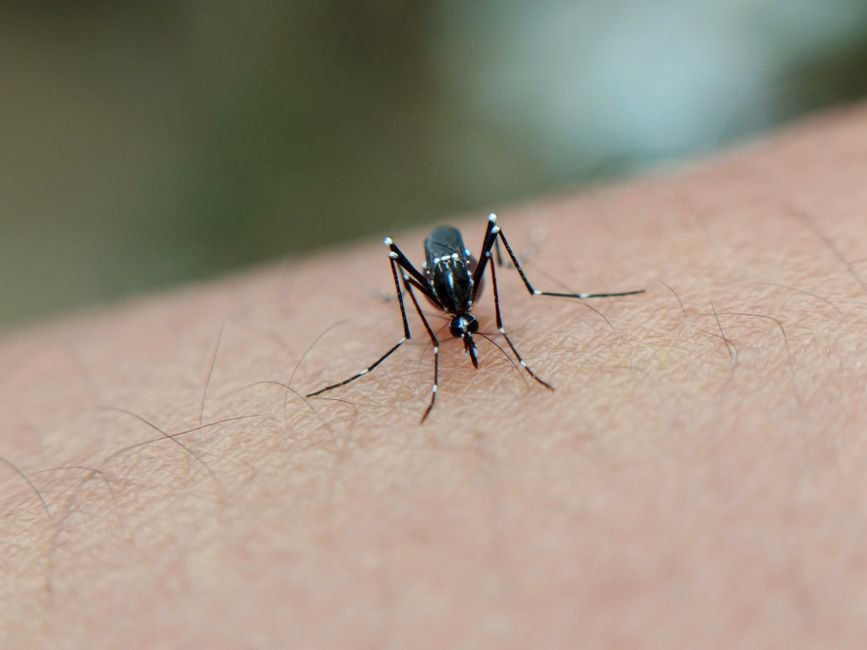
The dengue death toll in Sri Lanka has reached 81, prompting urgent warnings for communities across the island to heighten vigilance as persistent rainy weather creates conducive breeding environments for mosquitoes.

Rainfall across various regions has increased the presence of stagnant water, which serves as primary breeding habitat for vector mosquitoes responsible for transmitting the dengue virus. Members of the public are advised to regularly inspect surroundings, clear clogged drains, and safely dispose of water-retaining receptacles around homes, workplaces, and public spaces to disrupt vector life cycles.
With fatalities reaching 81, health guidance stresses the importance of monitoring for common warning signs, including sudden high fever, intense body aches, and persistent nausea. Early medical evaluation remains vital to managing infections and preventing progression toward severe dengue complications.
Key Developments
- The national dengue death toll in Sri Lanka has increased to 81.
- Public advisories have been issued urging preventive measures against mosquito habitats amid prevailing wet weather.
- Emphasis placed on early clinical assessment for individuals presenting fever and associated symptoms.