

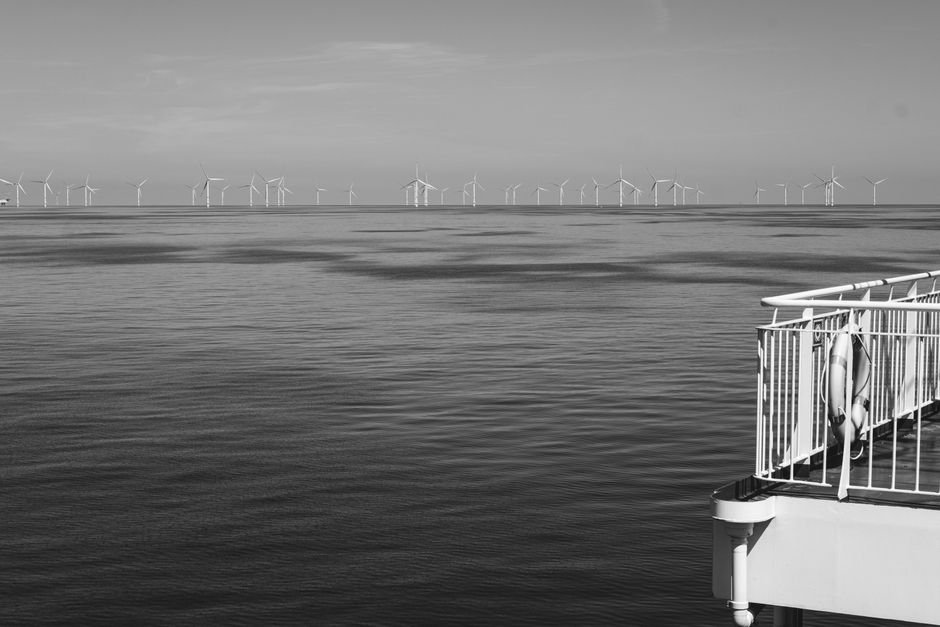
A turbine project in Sri Lanka has ignited widespread local anger following sharp declines in fish hauls, setting off tensions between infrastructure developers and coastal fishing communities whose livelihoods depend directly on maritime stability.

Fishermen operating in the affected areas report substantial drops in their regular catches, tying the sudden disruption directly to maritime disturbances linked to the turbine development. The ongoing environmental shifts have severely undermined daily yields, straining household incomes and threatening economic viability across the vulnerable coastal economy.
Key Developments
- A major turbine infrastructure project in Sri Lanka is facing intense local pushback.
- Fishermen report steep reductions in marine catches since the project commenced operations.
- Disrupted coastal livelihoods have heightened calls for immediate operational oversight and environmental mitigation.
The conflict underscores the intricate challenges of deploying large-scale energy infrastructure without jeopardizing traditional aquatic ecosystems and the communities reliant on them. Ensuring rigorous ecological oversight and maintaining viable protections for local fisheries remain paramount as resistance to the project intensifies.