

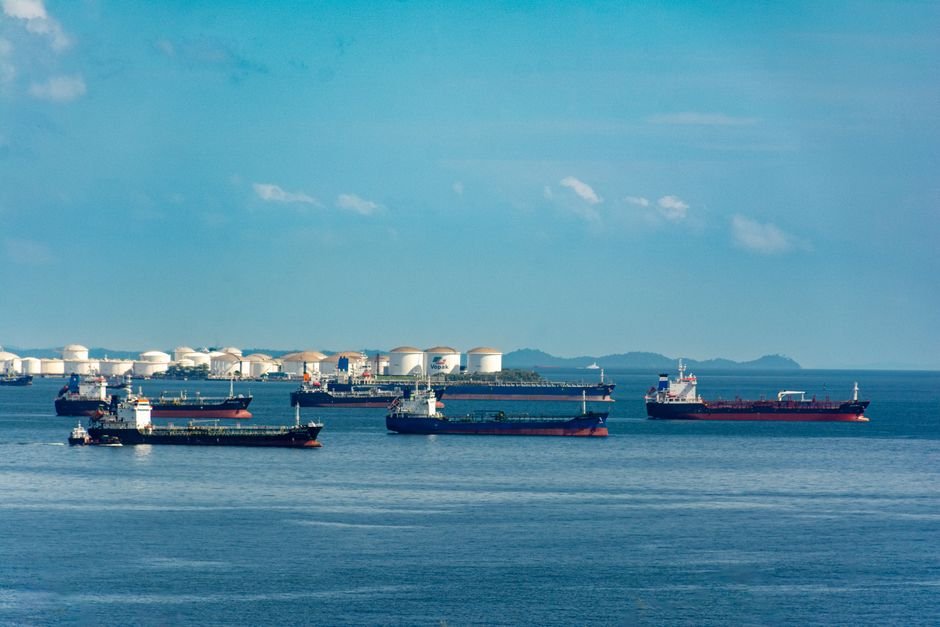
Sri Lanka is navigating a delicate diplomatic situation as it balances relations with the United States while addressing humanitarian obligations toward Iran, with approximately 21 Iranian oil tankers currently stranded just outside the island nation’s territorial waters. The vessels, which are reportedly empty, are anchored near Sri Lanka’s maritime borders, held in limbo amid a United States blockade and sanctions that have severely disrupted Iranian shipping operations in the region.

While Washington has warned of secondary sanctions against any entities providing commercial supplies or logistical support to US-sanctioned Iranian vessels, Sri Lankan authorities took action over the weekend on strictly humanitarian grounds. Two Iranian merchant vessels located roughly 24 nautical miles off Galle issued distress calls via the Maritime Rescue Coordination Centre seeking urgent medical help for 40 crew members who had been stranded at sea for several months. Sri Lanka responded by evacuating the 40 sailors through the Port of Galle, providing them with necessary medical care, and coordinating their prompt repatriation with the Iranian Embassy in Colombo.
Foreign Minister Vijitha Herath confirmed the operation, stating that authorities rescued the 40 sailors, administered medical treatment, and repatriated them on Sunday morning. Despite this medical intervention, Colombo has maintained a firm policy against delivering fuel, logistical aid, or commercial provisions to the stranded fleet. To ensure sovereignty and track maritime movements, defence officials have deployed naval patrol boats and reconnaissance aircraft to actively monitor the vessels.
Key Developments
- Stranded Tankers: Around 21 reportedly empty Iranian oil tankers remain immobilized just outside Sri Lankan territorial waters due to US sanctions and maritime blockades.
- Humanitarian Evacuation: The Sri Lanka Navy and Maritime Rescue Coordination Centre rescued 40 ailing sailors stationed 24 nautical miles off Galle, facilitating their medical treatment and repatriation in cooperation with the Iranian Embassy.
- Sanctions Compliance: The government has denied commercial supplies and logistics to the ships to avoid triggering US secondary sanctions.
- Heightened Maritime Tensions: The current standoff follows a March incident in which a US submarine sank the Iranian frigate IRIS Dena in international waters near Sri Lanka, resulting in 104 deaths, the rescue of 32 sailors by the Sri Lanka Navy, and a second Iranian naval vessel seeking safe harbour in Trincomalee.
Sri Lanka continues to maintain that its engagement with the Iranian vessels remains confined strictly to international humanitarian obligations. By separating life-saving medical care from broader logistical and commercial services, Colombo seeks to avert secondary economic sanctions and protect ties with Washington while managing regional geopolitical pressures.