

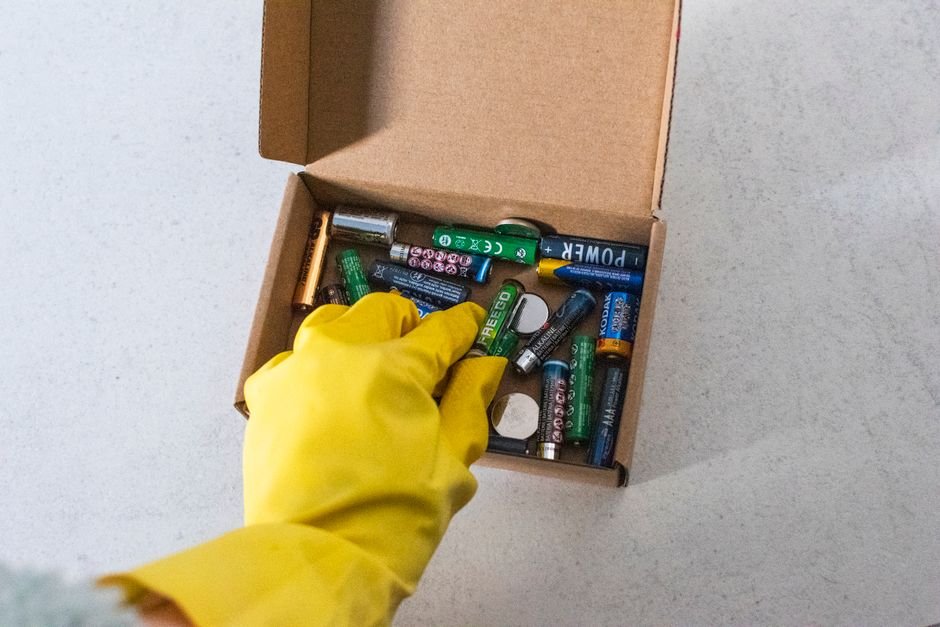
Sri Lanka is confronting severe environmental and health hazards stemming from informal battery recycling practices, according to warnings issued by the Centre for Environmental Justice (CEJ). The proliferation of unmonitored processing facilities across the country poses critical threats of chemical pollution and heavy metal contamination to local communities and surrounding ecosystems.

Improper dismantling and recycling of used batteries frequently lead to the discharge of toxic compounds directly into surrounding soil, air, and waterways. Operating without necessary industrial containment protocols or worker safety gear, unregulated operations expose handlers and neighboring populations to high levels of chemical toxicity.
The alert from the CEJ emphasizes the risks posed by hazardous materials, particularly lead and acid byproducts, which persist in the environment and accumulate in agricultural land and potable water tables. In the absence of coordinated oversight and comprehensive hazardous waste management, informal operations continue to bypass environmental safety requirements.
Key Developments
- Heightened Contamination Risks: Informal and unregulated dismantling of spent batteries releases toxic chemicals and hazardous materials into the environment.
- Regulatory Concerns: Environmental advocates at the CEJ highlighted critical vulnerabilities stemming from a lack of formal monitoring and enforcement in the waste processing sector.
- Threats to Ecosystems: Unchecked recycling procedures jeopardize vital groundwater supplies, agricultural soil quality, and community health.
Mitigating the impacts of informal battery processing requires rigorous regulatory frameworks alongside safe, formalized disposal and recycling channels. Without structural oversight and strict compliance standards, ongoing chemical runoff threatens to inflict compounding environmental degradation and enduring public health consequences.