

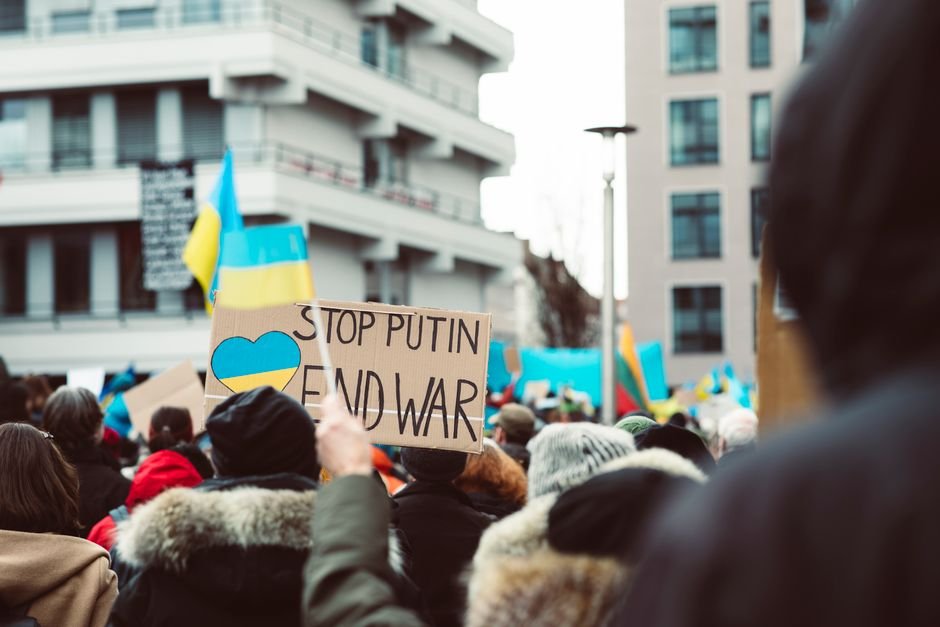
Sonam Wangchuk has cautioned that suppressing public demonstrations and restricting the right to protest within a nation can lead to severe national fallout, citing the political and social upheaval in Sri Lanka as a cautionary example.

Addressing the broader impact of silencing public voices, Wangchuk underscored that avenues for dissent are essential for maintaining balance and accountability. When peaceful channels for expressing grievances are closed off, unresolved tensions often build under the surface, increasing the potential for broader instability across society.
Key Developments
- Risks of Curtailing Dissent: Restricting civic protests risks generating severe and unpredictable consequences for national stability.
- Sri Lanka Precedent: Historical and regional crises, such as the major unrest seen in Sri Lanka, illustrate the dangers of ignoring or blocking public feedback.
Healthy governance depends on open dialogue and the accommodation of citizen concerns. Suppressing assemblies rarely eliminates discontent; instead, constructive engagement remains the most viable safeguard against systemic crises.