

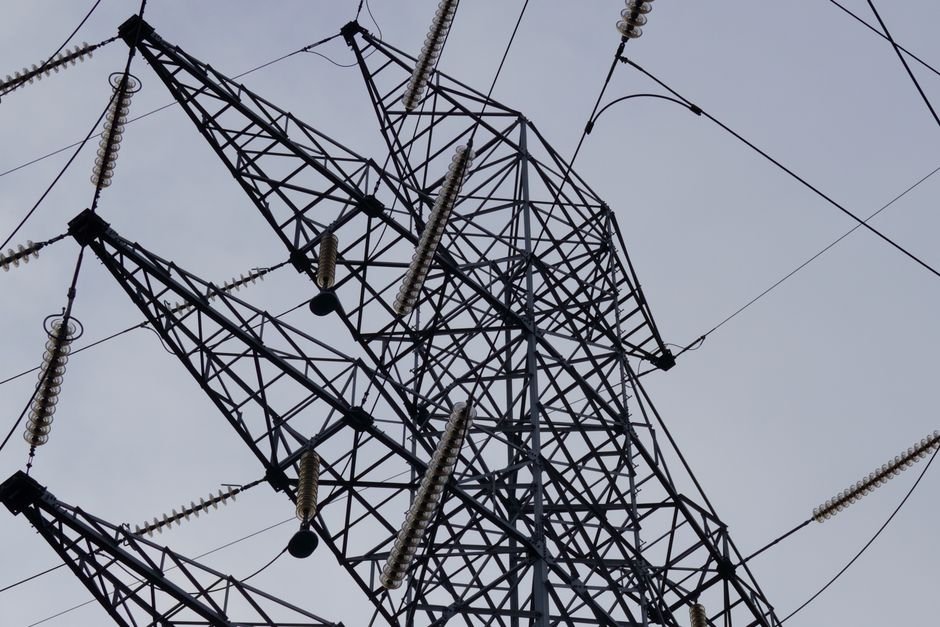
Recurrent system breakdowns across Sri Lanka’s national power network have intensified scrutiny over the resilience and technical reliability of the island’s electrical grid. Consecutive transmission failures, widespread blackouts, and localized supply interruptions continue to disrupt daily routines, commercial operations, and essential public utilities throughout the country.

The recurrent nature of these disruptions points to deep-seated technical vulnerabilities within the transmission architecture. High-voltage transmission lines, aging substation transformers, and interconnected distribution corridors operate with limited redundancy, leaving the entire system exposed when a single node experiences an unexpected trip. When unexpected line surges or generation shortfalls occur, cascading tripping mechanisms frequently disconnect entire segments of the network to prevent catastrophic damage, precipitating sweeping blackouts.
Technical reviews into systemic grid collapse typically identify chronic underinvestment in modern grid infrastructure as a central problem. The integration of renewable energy sources without adequate baseline stabilization, frequency regulation equipment, and modern battery storage compounds the challenge. Without automated supervisory systems and responsive reserve capacity capable of stepping in instantaneously, frequency drops rapidly destabilize the national network.
Key Developments
- Chronic system instability triggers recurring nationwide and regional electrical outages across Sri Lanka.
- Protective tripping mechanisms intended to isolate localized faults frequently trigger wider cascading network shutdowns due to insufficient transmission redundancy.
- Aging substation hardware, deficient dynamic frequency controls, and rapid fluctuations in generation balance strain network operational thresholds.
- Mounting grid vulnerability poses sustained operational risks for manufacturing facilities, healthcare systems, and small enterprises nationwide.
Unreliable electrical supply carries substantial economic consequences that extend well beyond immediate operational delays. Prolonged and frequent power disruptions raise production overheads through reliance on auxiliary diesel generation, diminish investor certainty, and constrain national industrial productivity. Resolving these recurring grid failures will require comprehensive capital investment in automated transmission control systems, protective relay upgrades, and dynamic grid stabilization to insulate the country from catastrophic power disruptions.