

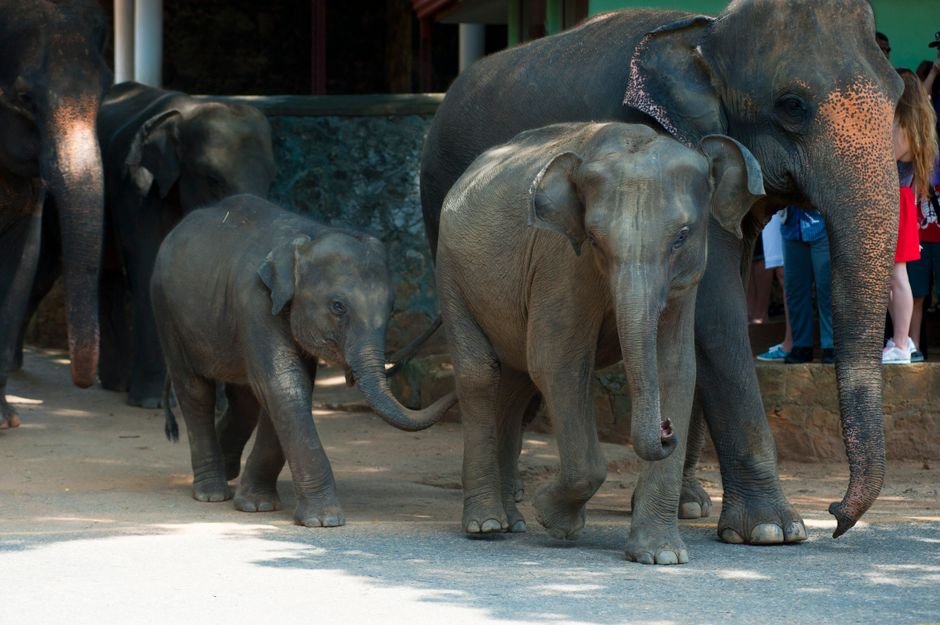
Sri Lanka has entered a period of public mourning following the death of an iconic tusker, bringing renewed national attention to the persistent and destructive human-elephant conflict affecting the island nation.

The loss of the revered elephant has intensified calls from wildlife advocates, local residents, and environmentalists for decisive measures to safeguard the remaining tusker population. Tuskers, which represent a very small percentage of Sri Lanka’s wild Asian elephants, hold significant cultural and ecological value, making the death particularly acute for conservationists.
Key Developments
- The passing of an iconic tusker has triggered nationwide mourning and heightened concern over wildlife preservation.
- Renewed demands call for immediate, structured policies to mitigate escalating encounters between expanding human settlements and wild herds.
- Advocates urge balanced interventions to ensure the survival of keystone animals while protecting rural livelihoods.
Tensions surrounding shared landscapes continue to challenge authorities seeking to prevent casualties on both sides. Effective boundary planning, protection of traditional migratory pathways, and sustainable rural development remain imperative to ending the cycle of fatal encounters between local communities and wild elephants.