

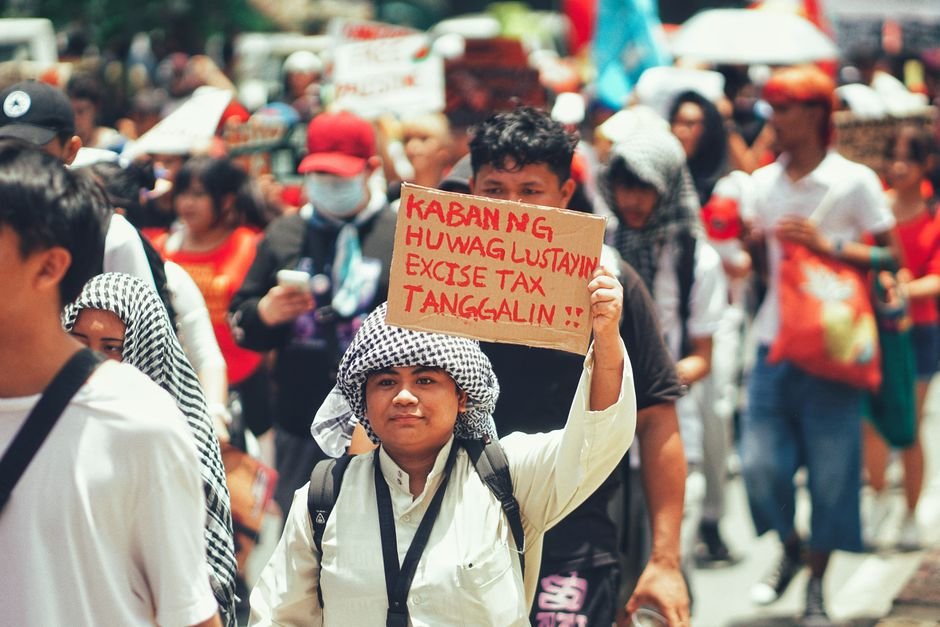
Far-reaching economic reform programs across emerging markets are precipitating severe domestic strain, with populations in Argentina and Sri Lanka facing the acute costs of fiscal tightening and structural overhauls. As governments attempt to stabilize macroeconomic indicators, curb debt burdens, and restore fiscal balances, the real-world impact on everyday citizens has intensified, highlighting the steep social trade-offs inherent in rapid economic realignment.

In both Argentina and Sri Lanka, the pursuit of fiscal stabilization has meant rolling back public subsidies, cutting state expenditures, and attempting to curb structural deficits. While these policy shifts are aimed at addressing deep-seated fiscal imbalances and securing long-term economic solvency, the immediate consequences have fallen heavily on domestic consumers. Households are confronting soaring living costs, reduced public spending, and substantial contractions in purchasing power as policy measures work their way through national economies.
Key Developments
- Aggressive structural economic reforms are generating significant domestic friction, placing widespread financial strain on citizens in both Argentina and Sri Lanka.
- State efforts to enforce fiscal discipline and reduce deficits have led to subsidy reductions and reduced public expenditures.
- Domestic populations face escalating pressure as household incomes contract amid sweeping policy adjustments and structural realignments.
The friction emerging in both nations illustrates a recurring challenge for governments executing severe fiscal discipline. While structural reforms are designed to avert sovereign insolvency and realign national accounts, the compression of local living standards risks eroding the public consensus necessary to sustain long-term economic transformations.