

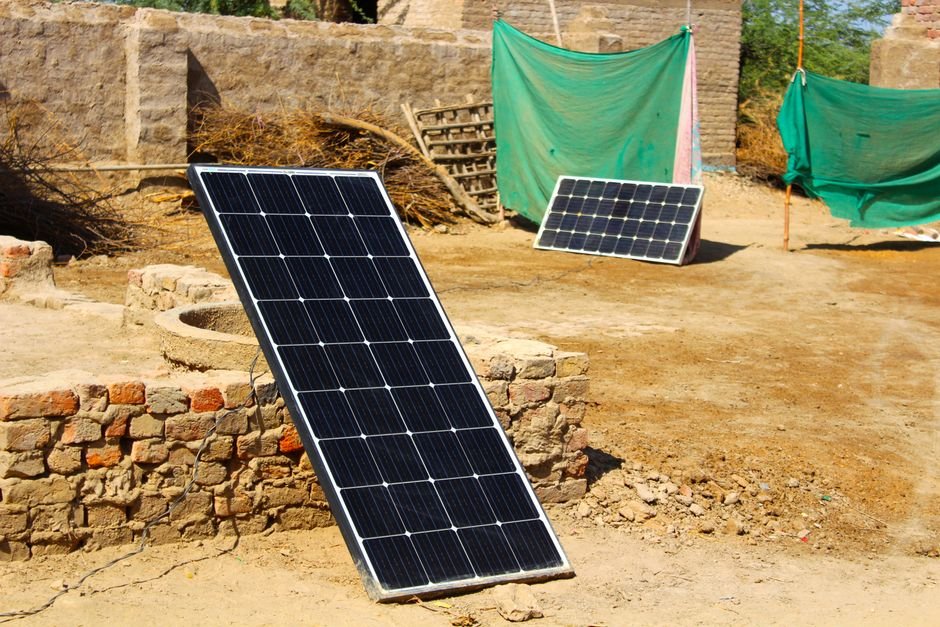
A major blackout in Sri Lanka has brought renewed scrutiny to the technical complexities of managing decentralized power generation, highlighting the delicate balance required to integrate expanding rooftop solar arrays into an aging electrical grid. The outage has underscored critical vulnerabilities in grid stability as domestic energy profiles shift increasingly toward decentralized, intermittent renewable systems.

The growth of distributed rooftop solar presents complex challenges for centralized transmission networks. While localized photovoltaic systems reduce daytime dependency on conventional generation, sudden shifts in supply and variable generation dynamics can strain network frequency controls. Without adequate balancing reserves, automated grid monitoring, and dynamic voltage management, disruptions on the main grid can cascade quickly through regional distribution lines.
Key Developments
- System Stability Pressures: Increasing rooftop solar integration without parallel investments in grid balancing technology heightens operational risks during unexpected generation shortfalls.
- Infrastructure Modernization Needs: Sustaining power stability amid solar adoption requires enhanced real-time system monitoring, responsive load-shedding systems, and robust frequency regulation tools.
Decentralized renewable energy deployment requires power utilities to pair rooftop expansion with targeted investments in flexible grid infrastructure, advanced inverters, and battery storage solutions to safeguard national power continuity.