
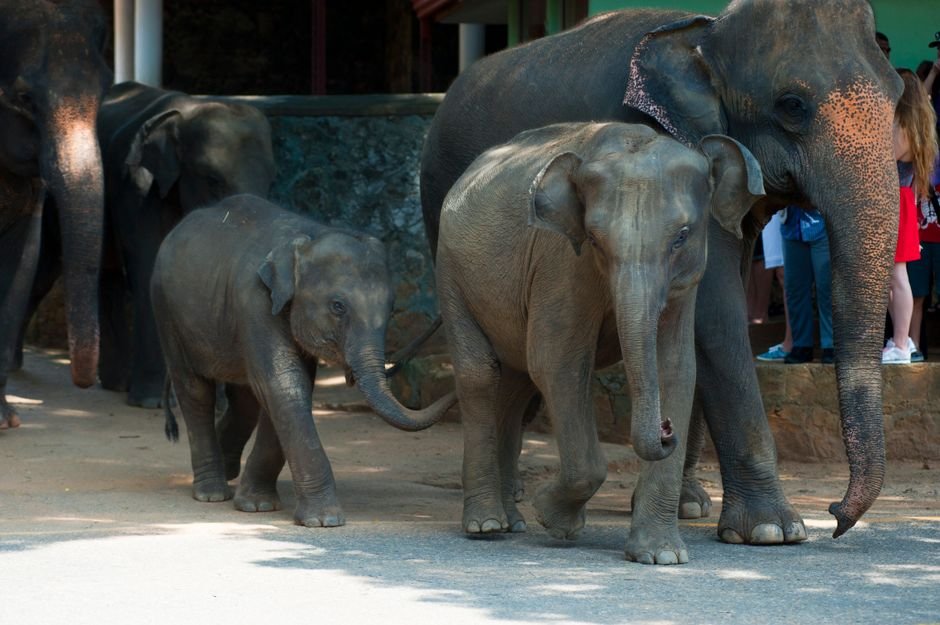
The intensifying human-elephant conflict in Sri Lanka continues to result in fatal casualties, underscoring a severe environmental and public safety crisis. Encounters between rural communities and wild Asian elephants have led to significant loss of human life and elephant mortality, as agricultural development and human settlements increasingly overlap with traditional wildlife habitats.

As deforestation and land clearance reduce natural foraging grounds, wild herds regularly venture into agricultural fields and villages in search of sustenance. These incursions frequently result in crop destruction, property damage, and confrontational encounters between villagers and wild animals. Defensive measures implemented across rural sectors, including community warning systems and electric fencing, continue to face physical and logistical hurdles in preventing deadly interactions.
Key Developments
- Human-elephant encounters in Sri Lanka continue to produce fatal casualties on both sides.
- Encroachment on natural habitats and traditional migration corridors remains the primary driver of friction.
- Rural agricultural communities bear the brunt of property destruction and safety risks.
Resolving this persistent crisis requires comprehensive land-use planning that protects vital wildlife corridors while safeguarding the livelihoods of rural residents. Without coordinated state intervention, integrated conservation policies, and community-level support systems, the conflict will continue to impose severe socio-economic costs and threaten Sri Lanka’s wild elephant population.