
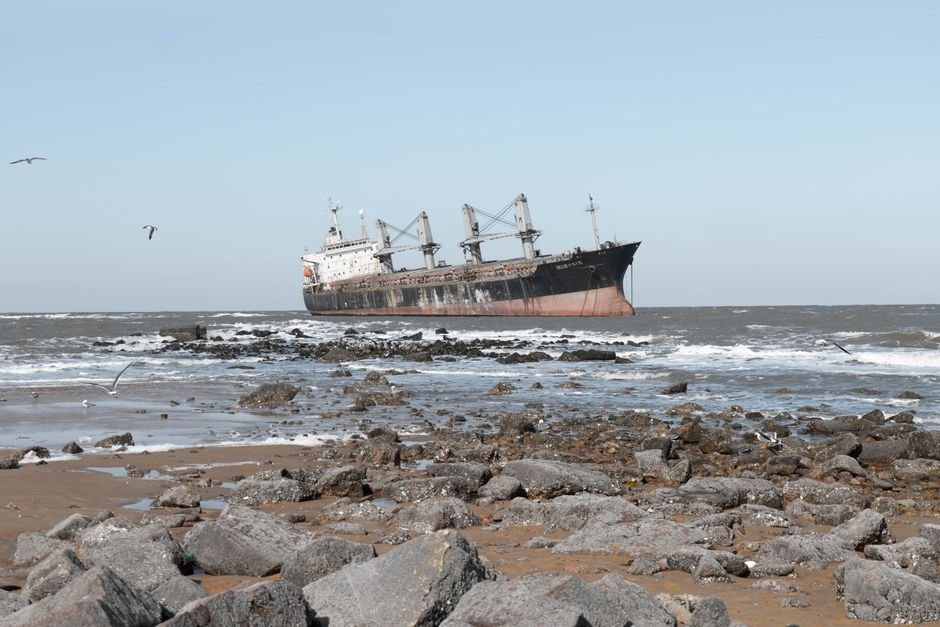
Sri Lanka has ruled out providing immediate assistance to stranded Iranian vessels currently remaining at sea, despite reports that crew members are facing critical shortages of basic necessities, including food and fresh water. The stand off leaves the Iranian ships in a precarious position as concerns escalate regarding the health and safety of those onboard.

The Iranian vessels have been unable to secure immediate humanitarian relief or clearance from Sri Lankan authorities to replenish essential stocks. With onboard supplies of drinking water and food severely depleted, the situation underscores the legal, logistical, and diplomatic hurdles that can arise when foreign vessels encounter emergencies within or near national maritime zones.
Key Developments
- Sri Lankan authorities decline immediate emergency support for stranded Iranian ships.
- Crews onboard the Iranian vessels report severe shortages of food and drinking water.
- The status of the vessels remains unresolved while waiting for official clearance or alternative aid solutions.
Maritime protocol typically requires coastal states to manage requests for humanitarian assistance against sovereign legal frameworks, security assessments, and port control regulations. When vessels face acute resupply crises, the operational delay between diplomatic negotiations and port state authorization can significantly heighten risks for crew welfare at sea.