
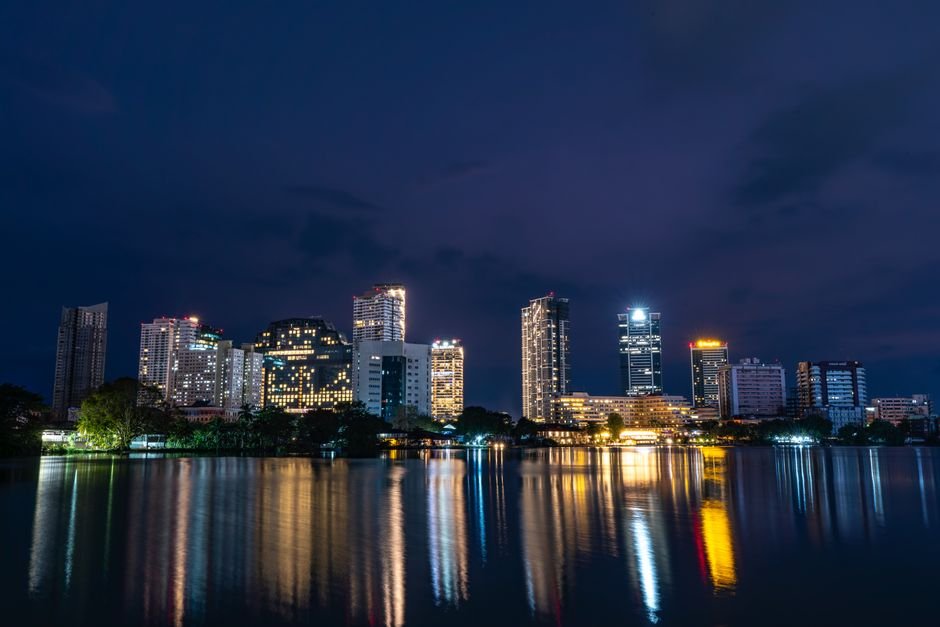
As temperatures continue to rise across Sri Lanka’s commercial capital of Colombo, passive cooling techniques are being highlighted as a viable, low-energy strategy to address escalating urban heat. However, transitioning toward these sustainable architectural and design solutions presents financial and practical challenges, with implementation costs remaining a primary obstacle to widespread adoption.

Passive cooling design leverages natural airflow, shading mechanisms, strategic building orientation, and heat-reflective materials to regulate indoor temperatures without heavy reliance on power-consuming air conditioning units. For a rapidly expanding tropical metropolis like Colombo, integrating these low-energy solutions into residential and commercial buildings offers a mechanism to reduce municipal energy demand while improving urban living conditions.
Key Developments
- Rising urban temperatures in Colombo are accelerating interest in sustainable, low-energy cooling strategies.
- Passive cooling techniques lower electricity consumption by using natural ventilation, insulation, and building design rather than traditional air conditioning.
- High upfront costs and structural implementation requirements present key challenges for developers and property owners.
Integrating passive cooling into urban infrastructure represents a vital shift for tropical cities facing intensifying heat waves and rising energy demands. Although the initial financial requirement poses a obstacle for immediate adoption, the long-term reductions in energy consumption and relief on the national power grid make sustainable architectural design a critical component of Colombo’s broader climate adaptation and urban planning strategy.