
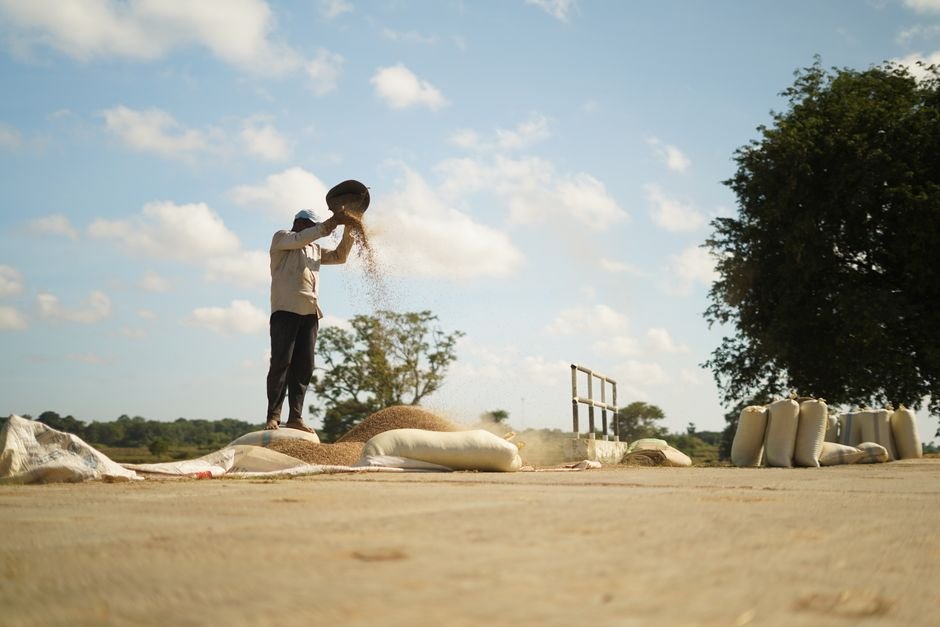
Severe drought conditions across Sri Lanka have pushed agricultural communities and native ecosystems into escalating crisis, as essential water sources continue to vanish across affected regions. Local farmers are witnessing groundwater levels drop completely, leaving wells empty and agricultural fields parched, while wild animals are increasingly forced to cluster around rapidly shrinking water holes.

The persistent lack of rainfall has severely disrupted agricultural operations, stranding farm households without necessary irrigation or basic daily water access. As groundwater reserves recede, farming communities face immediate threats to their crop yields and livelihoods. At the same time, the environmental pressure is altering animal movement patterns, forcing varied wildlife species into concentrated pockets around remaining water bodies.
Key Developments
- Severe drought conditions across Sri Lanka have led to widespread water shortages affecting agriculture and wildlife.
- Agricultural wells have dried up, leaving farmers without essential groundwater for crops and domestic use.
- Receding natural water sources are forcing wildlife populations to crowd around diminishing water holes.
Prolonged moisture deficits in agrarian landscapes pose serious risks to national food supply stability and biodiversity management. When resource scarcity drives wildlife into denser concentrations near human settlements and agricultural borders, ecological stress intensifies alongside potential resource conflicts. Navigating these climate pressures requires deliberate long-term water management strategies, modern irrigation resilience, and active habitat conservation efforts.