
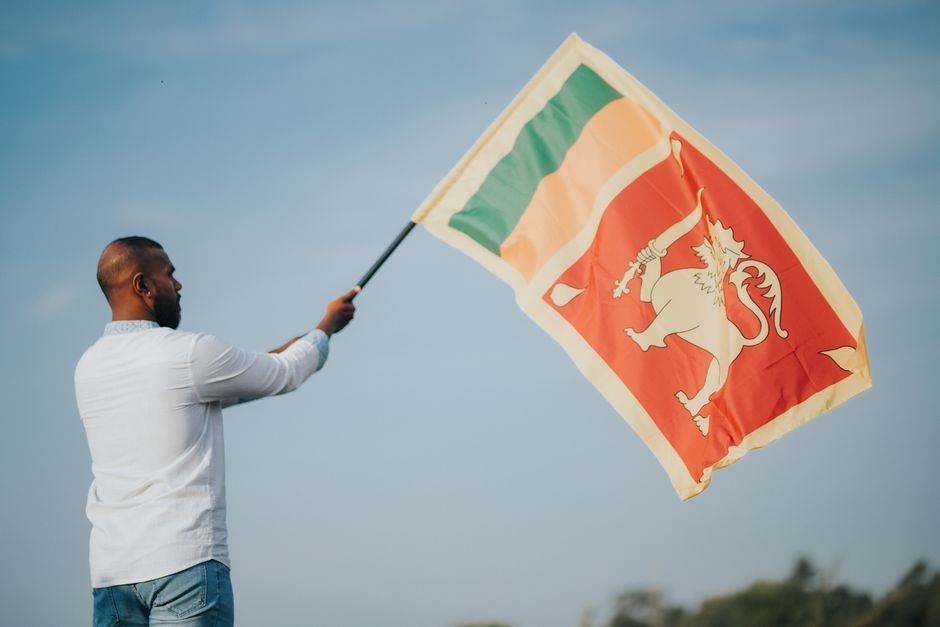
A major legal and press freedom debate has surfaced in Sri Lanka following determinations that the publication of certain types of information in the media can be classified as an act of terrorism. The measure marks a critical juncture for media institutions, journalists, and news organizations operating within the country, placing heightened focus on the operational boundaries between public reporting and state security enforcement.

Under the legal parameters established in Sri Lanka, disseminating information that falls within prohibited criteria can expose publishers, editors, and reporters to severe legal penalties associated with counter-terrorism statutes. Authorities maintain that stringent regulations on specific sensitive disclosures are vital to safeguard national security, public order, and state operations. However, the legal threshold defining what constitutes prohibited information remains a central point of scrutiny among media practitioners and legal analysts.
The policy carries significant implications for investigative journalism and editorial freedom across Sri Lanka. Human rights advocates and press oversight groups have consistently highlighted concerns that broad classifications of media content under counter-terrorism frameworks could stifle public discourse, incentivize self-censorship, and restrict free speech guarantees.
Key Developments
- Formal recognition that publishing specific restricted information in media outlets constitutes an act of terrorism in Sri Lanka.
- Potential exposure of media organizations and journalists to counter-terrorism legal proceedings and severe statutory penalties.
- Growing concerns among civil society regarding press freedom, editorial independence, and access to public interest information.
As Sri Lanka enforces these measures, newsrooms and legal experts across the nation continue to assess the practical impact on daily reporting. The ongoing balance between protecting sovereign security interests and maintaining transparent, democratic press standards remains a focal point for the country’s media landscape.