
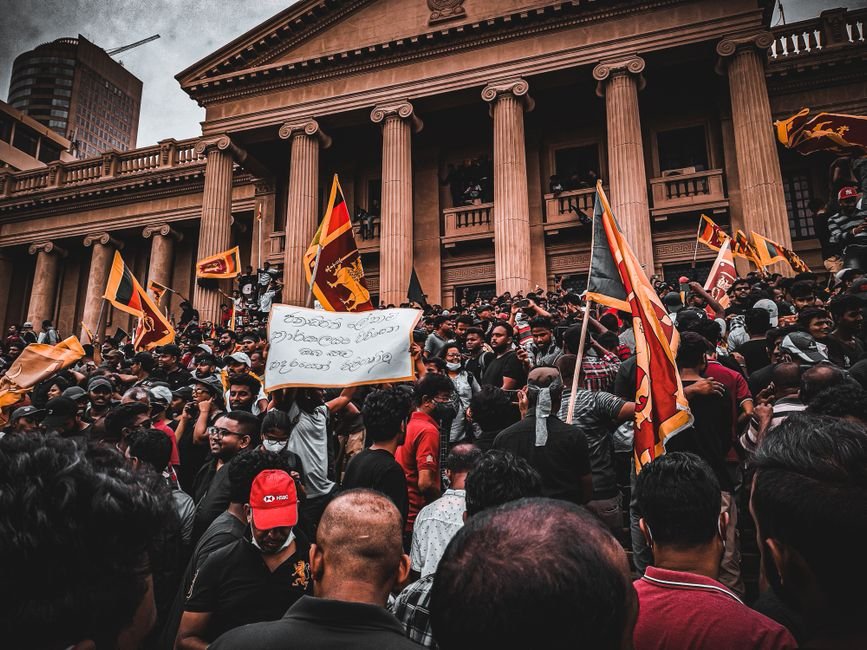
Sri Lanka’s proposed counterterrorism legislation has come under intense scrutiny following human rights evaluations warning that the draft bill continues to retain broad and dangerously abusive powers. Civil rights advocates and international watchdogs, including Human Rights Watch, have raised serious concerns over the legislative framework, emphasizing that core provisions within the proposed law fail to align with international human rights standards and threaten to perpetuate systemic rights violations across the nation.

The controversial counterterrorism draft, intended to overhaul security legislation in Sri Lanka, was introduced amidst widespread calls for meaningful legal reform. However, detailed examination reveals that the proposed framework grants expansive authority to state security entities while providing insufficient safeguards against arbitrary detention, vague definitions of security threats, and the potential suppression of peaceful dissent. Legal observers stress that retaining such sweeping state powers undermines fundamental constitutional protections, including freedoms of expression, association, and peaceful assembly.
Key Developments
- Retention of Abusive Authority: The proposed legislation preserves broad executive powers and overbroad definitions that risk operational misuse.
- Human Rights Warnings: International observers, including Human Rights Watch, highlight severe gaps in judicial oversight and constitutional safeguards.
- Impact on Fundamental Freedoms: Rights advocates warn the bill poses direct threats to civil society, public protest, and legal due process in Sri Lanka.
As discussion surrounding the draft bill continues, pressure is mounting on legislative authorities in Sri Lanka to dismantle coercive provisions and align all national security measures with recognized international human rights obligations. Ensuring robust judicial oversight and precise legal definitions remains vital to safeguarding civil liberties while addressing state security needs.